

Sustainability · 2025
In this section48 topics
- Sustainability Policy2 items
- Sustainability Goals & UN SDGs3 items
- Policy Review3 items
- Business Value Chain1 item
- Stakeholder Analysis2 items
- Environmental Policy & Guidelines3 items
- Environmental Policy Review1 item
- Energy — Plan & Guidelines2 items
- Energy — Electricity Consumption1 item
- Energy — Fuel Consumption1 item
- Energy — Targets2 items
- Energy — Performance & Outcomes2 items
- Water — Plan & Guidelines2 items
- Water — Withdrawal, Discharge & Consumption1 item
- Water — Targets2 items
- Water — Performance & Outcomes2 items
- Waste — Plan & Guidelines2 items
- Waste — Generation, Disposal & Recycling1 item
- Waste — Targets2 items
- Waste — Performance & Outcomes2 items
- GHG — Plan & Guidelines3 items
- GHG — Emissions1 item
- GHG — Emissions Verification3 items
- GHG — Principles & Standards1 item
- GHG — Targets1 item
- GHG Targets — Other Targets1 item
- GHG — Performance & Outcomes2 items
- Environmental Legal Incidents1 item
- Social Policy & Guidelines3 items
- Social Policy Review1 item
- Human Rights Due Diligence2 items
- Employees — Plan & Guidelines4 items
- Employees — Workforce1 item
- Employees — Remuneration & Provident Fund1 item
- Employees — Training & Development1 item
- Employees — Occupational Health & Safety1 item
- Employees — Labour Relations1 item
- Employees — Employee Representation2 items
- Employees — Targets2 items
- Employees — Performance & Outcomes2 items
- Customers — Plan & Guidelines3 items
- Customers — Satisfaction Results1 item
- Customers — Targets2 items
- Customers — Performance & Outcomes2 items
- Community & Social — Plan & Guidelines3 items
- Community & Social — Targets1 item
- Community & Social — Performance & Outcomes2 items
- Law Violation Incidents1 item
Sustainability Policy
Has a Sustainability Policy
Yes
Policy Description
The Company is committed to achieving stable and sustainable business growth by adhering to the principles of Good Corporate Governance and operating with transparency, integrity, and accountability toward the economy, society, and the environment. As a technology and digital solutions provider, the Company places strong emphasis on the development and application of technology, innovation, and data-driven solutions to enhance operational efficiency for both the Company and its customers, while minimizing environmental impacts and creating positive social value.
The Company respects human rights of all stakeholders throughout its entire value chain and is committed to developing digital technologies and infrastructure that enhance inclusive access to data and services across both the public and private sectors. Furthermore, the Company supports the achievement of the United Nations Sustainable Development Goals (SDGs), aiming to foster long-term sustainable growth for both the business and society. To this end, the Company has established a sustainability framework encompassing the following three dimensions.
Governance and Economic Dimension
The Company conducts its business based on integrity and transparency, strictly complying with all applicable laws and business ethics, while emphasizing anti-corruption practices and comprehensive risk management. In addition, the Company is committed to continuous innovation and technological development to drive business growth alongside sustainable social and environmental development.
The Company emphasizes adherence to its Code of Conduct, anti-corruption and anti-bribery measures, the prevention of conflicts of interest, and the protection of intellectual property. Information security is also regarded as a critical factor in the operation of the Company’s digital technology business.
In addition, the Company continuously develops digital technologies, data solutions, and business innovations to enhance operational efficiency, support the transition toward a digital economy, and create economic value in parallel with social and environmental value.
Environmental Dimension
The Company places importance on managing environmental impacts arising from its business operations by focusing on efficient resource utilization, reducing unnecessary energy and resource consumption, and applying digital technologies to minimize paper usage and improve workflow efficiency.
The Company supports environmentally friendly business practices, such as the development of digital document solutions, electronic data management, and information technology systems that help reduce resource consumption and improve energy efficiency.
At the same time, the Company recognizes the risks associated with climate change and promotes operational practices that mitigate environmental impacts, while strictly complying with all relevant environmental laws and regulations.
Social Dimension
The Company is committed to respecting human rights and treating employees fairly by promoting equality, diversity, and non-discrimination. The Company provides compensation, benefits, and a safe working environment that supports employee well-being and professional development.
The Company continuously enhances employees’ digital and technological skills to build a highly competent workforce capable of adapting to technological advancements and the evolving digital economy.
In addition, the Company actively participates in social and community development by supporting access to digital technologies and information systems, thereby increasing opportunities for learning, employment, and access to services, while contributing to the sustainable improvement of community quality of life.
The Company places great importance on stakeholder engagement by providing transparent channels for feedback, suggestions, and complaints, and systematically managing stakeholder concerns to build trust and foster long-term relationships.
Sustainability Governance Structure
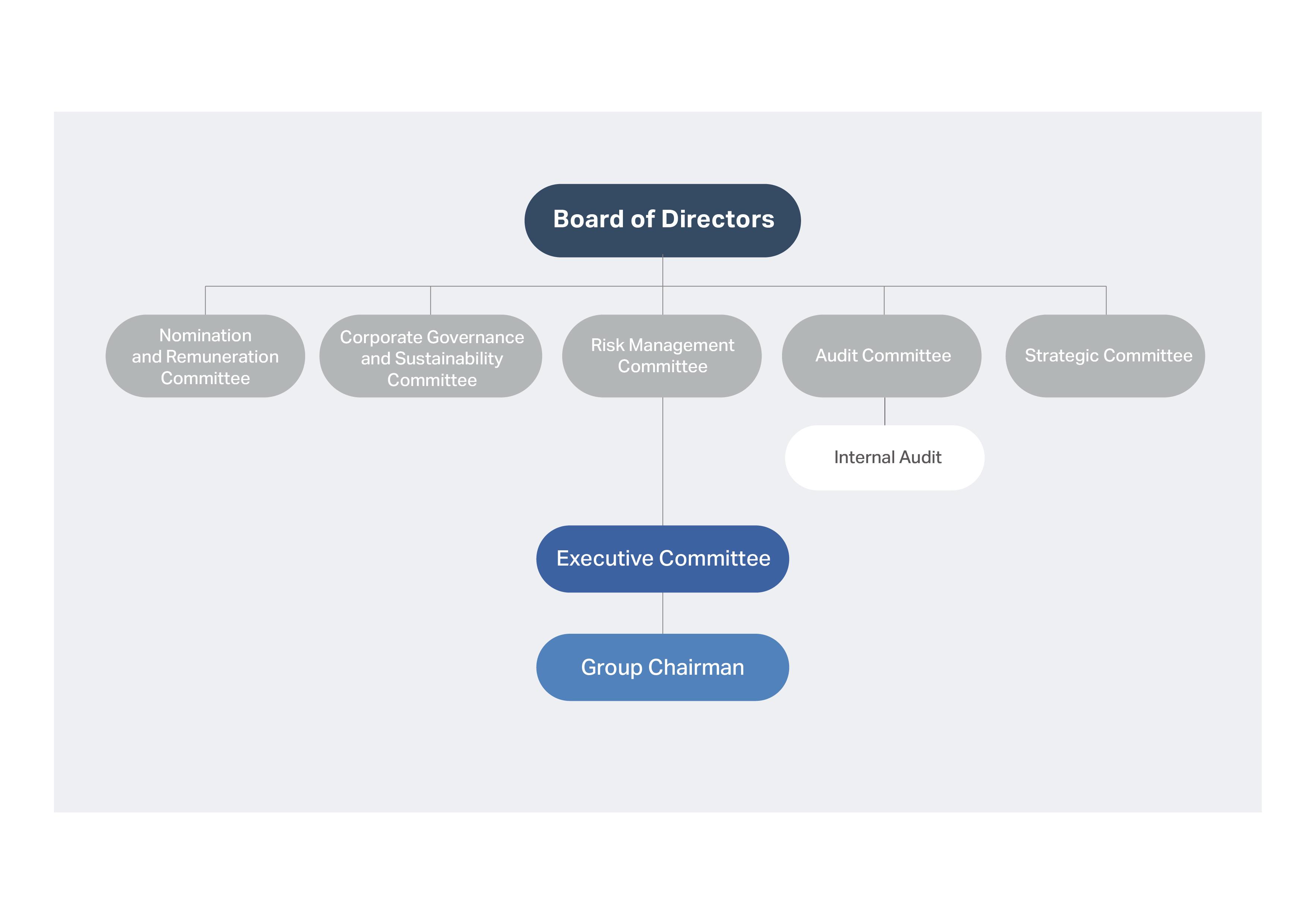
The Company has established a structure to govern and promote its sustainable operations. The Corporate Governance and Sustainability Committee is responsible for defining policies, principles, and best practice guidelines across various aspects to ensure the Company's long-term sustainable business operations, aligning with the Company's defined direction and strategies. This committee continuously monitors the progress of sustainability initiatives and supports the cultivation of knowledge, understanding, and engagement of executives and personnel at all levels in the economic, social, and environmental dimensions. This aims to achieve the Company's sustainability performance targets. The Company's sustainability governance structure is as follows:
Sustainability Goals & UN SDGs
Has Sustainability Goals
Yes
Goals Description
The Company is committed to advancing its business toward sustainability by leveraging data and digital technologies to drive organizational growth, while delivering stable returns to shareholders and operating with long-term environmental and social responsibility.
The Company has established a sustainability framework based on three strategic pillars, covering environmental, social, and governance and economic dimensions. This framework focuses on developing products and services through innovative technologies and solutions that reduce environmental impact, enhance competitiveness, and create value for all stakeholders.
At the same time, the Company places strong emphasis on building collaborative partnerships with business partners to jointly drive development and create positive social impact. This is carried out under transparent and accountable management practices, grounded in the principles of good corporate governance, to support sustainable growth for both the organization and society.
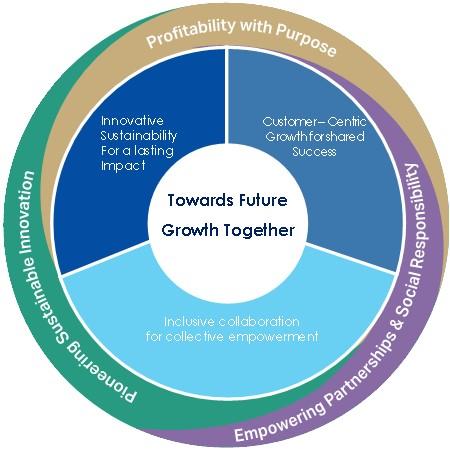
The Company has established sustainability goals covering seven material sustainability topics as follows:
Carbon Emissions and Pollution
Operational Excellence
Data Security
Talent Development and Retention
Corporate Governance and Business Integrity
Customer Responsibility
Community and Social Development
The Company integrates these seven material sustainability topics into its operations through a framework built upon three strategic pillars, as outlined below:
Pioneering Sustainable Innovation
The Company is committed to advancing environmentally friendly technological innovation and delivering solutions that minimize environmental impact while enhancing operational efficiency. This includes promoting efficient resource utilization and leveraging digital technologies to optimize processes, thereby creating long-term value and a sustainable future.Profitability with Purpose
The Company drives purposeful business growth by integrating profitability with responsibility toward stakeholders. The Company operates with integrity, transparency, and strong ethics, while continuously developing digital and technological capabilities of its workforce. This strengthens organizational resilience and enhances corporate governance, forming the foundation for long-term trust and sustainability.Empowering Partnerships & Social Responsibility
The Company fosters strategic partnerships to create synergies that drive positive transformation for customers, suppliers, and society. The Company develops digital technologies and solutions to support the digital economy, improve operational efficiency, and create shared value by enhancing access to technology and improving the quality of life within communities.
UN Sustainable Development Goals
| SDG Goal |
|---|
| Goal 1 No Poverty |
| Goal 3 Good Health and Well-being |
| Goal 7 Affordable and Clean Energy |
| Goal 8 Decent Work and Economic Growth |
| Goal 9 Industry, Innovation and Infrastructure |
| Goal 13 Climate Action |
| Goal 15 Life on Land |
| Goal 16 Peace, Justice and Strong Institutions |
Policy Review
Policy Reviewed This Year
Yes
Policy Changed This Year
Yes
Review Details
To align with the Company’s expanded business capabilities, strategic investments, and strengthened partnerships, the Company has reviewed and updated its sustainability policy. The enhancement emphasizes continuous stakeholder engagement and relationship development, alongside advancing technological capabilities and expanding equitable access to information systems and digital services across society. It also reinforces the Company’s commitment to improving the quality of life of communities and society, with the aim of achieving stable and sustainable long-term growth.
Business Value Chain
Value Chain Description
The Company places importance on building strong relationships with stakeholders across all business activities, from upstream to downstream, reflecting its commitment to creating value in products and services and meeting the expectations of all stakeholder groups. Accordingly, the Company has established processes to manage potential impacts throughout its business value chain, which comprises two categories of activities: Primary Activities and Support Activities, as outlined below.
Primary Activities
The Company’s primary activities consist of four interconnected functions aligned with its overall business operations:
1. Business Development (Sales and Solution Design / Project Bidding / Marketing)
The Company focuses on market analysis and identifying business opportunities within target customer segments to define sales strategies and develop innovative technologies and solutions that effectively meet customer needs. Marketing strategies are also developed to enhance competitiveness and create business value.
2. Inbound & Outbound Logistics (Procurement/ Warehouse and Transportation Management)
The Company systematically manages procurement and logistics, comprising two main areas:
1) Procurement
Selection and sourcing of business partners through rigorous qualification processes
Monitoring delivery timelines to ensure timely supply
Post-purchase supplier evaluation to ensure quality and standards
Identifying cost-saving opportunities to improve efficiency
2) Warehouse and Transportation Management
Efficient management of inventory and storage space
Optimization of transportation planning for cost efficiency
Ensuring safe delivery for both products and personnel
3. Project Implementation and Management
The Company emphasizes effective project planning and execution to ensure projects are completed as planned, focusing on:
Systematic project planning
Efficient cost management
Quality control in accordance with standards
Timely project delivery
4. Operations and Customer Service
The Company prioritizes continuous customer care, consisting of:
1) Product Services
Developing operational plans for installation, maintenance, and troubleshooting in line with standards
Ensuring timely service delivery to enhance customer satisfaction
Building and maintaining long-term customer relationships
2) After-Sales Services
Providing customer support and coordination after sales
Monitoring product usage, handling service requests, and resolving issues
Conducting regular customer satisfaction assessments and using insights to improve service quality
Support Activities
To ensure that primary activities operate efficiently and effectively, the Company emphasizes key support functions that drive organizational performance:
1. Infrastructure
The Company continuously develops and enhances its business infrastructure to ensure modern, efficient systems that support fast, accurate, and high-quality service delivery. Key focuses include software and digital infrastructure management to improve operational agility, such as:
1) Supply Chain Management systems to enhance procurement, inventory, and logistics efficiency
2) Enterprise Resource Planning (ERP) systems to streamline operations, reduce complexity, and improve accuracy across processes, including:
Sales and procurement systems
Inventory and stock control systems
Delivery and after-sales service systems
Finance, accounting, and project management systems
Customer Relationship Management (CRM) systems to strengthen customer relationships
Effective infrastructure development not only enhances the Company’s competitiveness but also enables employees to work more efficiently and productively.
2. Human Resources Management
Employees are a key driver of business success. The Company therefore emphasizes systematic human resource management, focusing on:
Recruitment and selection of capable personnel aligned with organizational culture
Competitive compensation and benefits to attract and retain talent
Continuous employee development through training in both technical (hard skills) and managerial (soft skills) areas
Clear career development and career path planning to support long-term growth within the organization
Promoting employee engagement and a positive work environment to foster commitment and pride in the organization
Stakeholder Analysis
Introduction
Stakeholder Analysis in the Business Value Chain
The Company recognizes the importance of stakeholders involved in its business, including individuals or organizations directly or indirectly affected or potentially affected by the Company's operations. Analyzing and understanding the impacts, needs, and expectations of these stakeholders is essential for sustainable long-term business growth. The Company identified nine stakeholder groups within its value chain which include Employees, Customers, Suppliers, Business Partners, Shareholders/Investors, Community/Society, Creditors, Government Agencies, and Competitors. These stakeholders can be categorized as internal stakeholders (Employees) and external stakeholders (Customers, Suppliers, Business Partners, Shareholders/Investors, Community/Society, Creditors, Government Agencies, and Competitors).
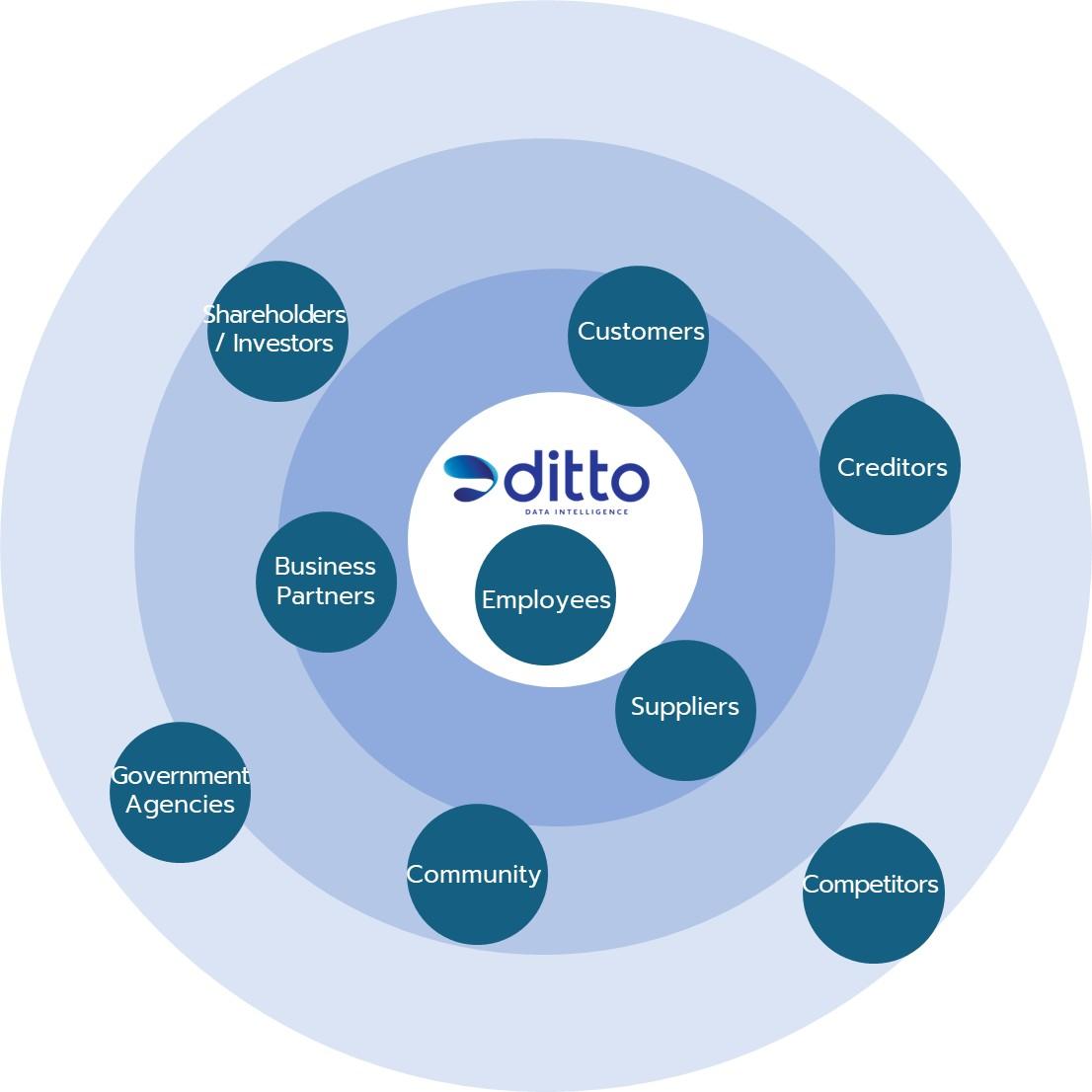
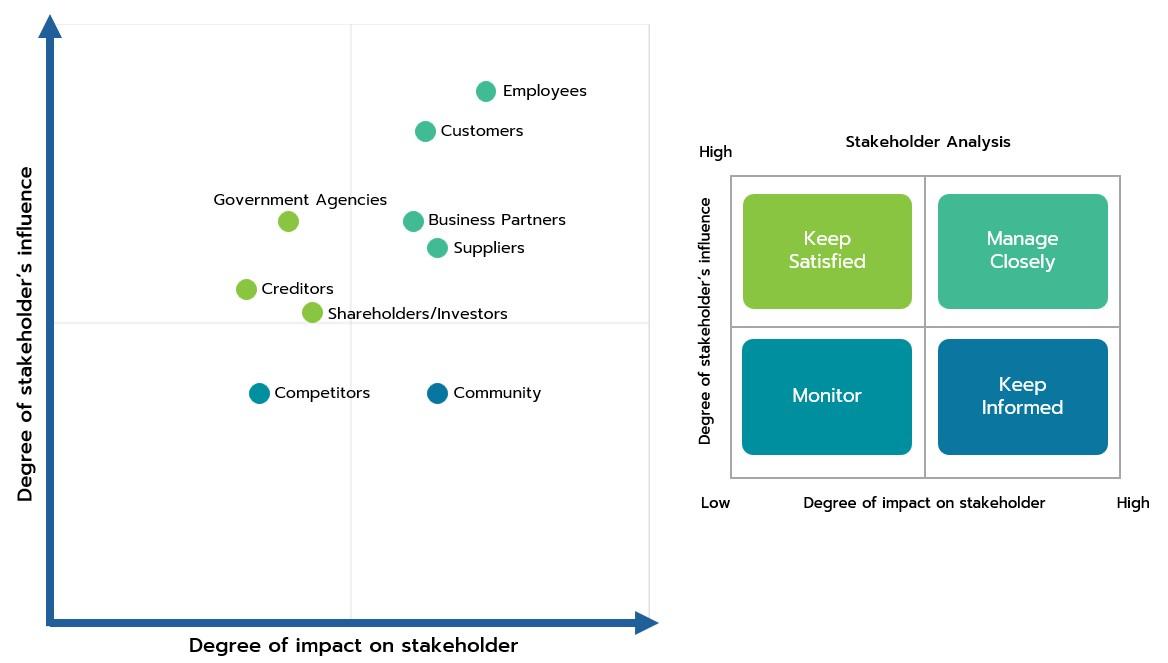
The Company prioritizes its stakeholders by considering the level of impact of its operations on each group across economic, social, environmental, and human rights dimensions, alongside assessing the stakeholders' level of interest in the Company and their influence on its business operations. This analysis informs the development of appropriate engagement strategies and the alignment of operational plans with the characteristics and expectations of each stakeholder group. Particular emphasis is placed on strategically important stakeholders, namely Employees, Customers, Business Partners, and Strategic Allies. The Company prioritizes close management of these relationships to foster strong connections and promote mutually beneficial collaboration, ultimately leading to sustainable long-term success.
Engagement with Stakeholders
The Company has established guidelines for engaging with all stakeholder groups to assess the economic, social, and environmental impacts of its business operations, both positive and negative, including potential impacts related to human rights violations, at least annually. Furthermore, the Company prioritizes listening to the concerns and expectations of its stakeholders through various channels. Relevant departments responsible for specific stakeholder groups are assigned to survey, analyze, and implement appropriate approaches under the oversight of the Corporate Governance and Sustainability Committee. This ensures that all stakeholder groups are thoroughly considered. The information gathered is analyzed to identify material sustainability issues and develop appropriate management approaches that create shared value for all stakeholder segments. The Company interacted with its stakeholders through various channels and implemented the following initiatives to address stakeholder needs:
Stakeholder Analysis
| Stakeholder Type | Stakeholders | Stakeholder Expectations | Response to Expectations | Communication Activities |
|---|---|---|---|---|
| Internal stakeholders | 2921 · Description: Employees | • Job security and career advancement
• Strategic investment in human capital fosters a productive workforce through optimal working conditions, fair compensation, and continuous skill development
| • Provide fair and appropriate compensation with a performance evaluation system
• Listen to employee feedback and complaints
• Organize training and promote continuous skill and knowledge development for employees
• Provide a suitable and safe working environment
| 2949 · Other name: Welfare Committee Meetings (Quarterly) / Channels for feedback and suggestions / Annual employee engagement surveys / Communication via online media, intranet, and email / Grievance and whistleblower channels · Description: Others |
| External stakeholders | 2923 · Description: Customers | • Quality products and services
• On-time delivery of products and services
• Accurate and precise information about products and services
• Appropriate pricing for products and services
• Transparent competition
• Ability to promptly resolve complaints
• Protection of customer data and privacy
| • Offer quality, safe products and services with transparency, fairness, and accountability
• Develop quality products and services that meet customer needs
• Monitor service level agreement (SLA) indicators
• Provide quick and efficient information or answers to customer inquiries
• Adhere to ethics in protecting customer data and establish personal data protection policies and guidelines
| 2949 · Other name: Annual customer satisfaction surveys / Customer relations activities / Marketing activities / Meetings with Company staff and direct customer meetings / Customer complaint channels (e.g., Call Center, Help Desk) · Description: Others |
| External stakeholders | 2899 · Description: Suppliers | • Compliance with trade terms or agreed-upon contractual conditions
• Conducting business together transparently, fairly, and equally
• Protection of business partner data
| • Govern the Company transparently, fairly, and accountably
• Implement an anti-corruption policy
• Adhere to ethics in protecting business partner data
| 2949 · Other name: Supplier evaluation audits / Meetings and coordination with business partners / Communication via online media and email / Whistleblower and complaint channels · Description: Others |
| External stakeholders | 2900 · Description: Business partners | • Joint development of potential and mutual business growth
• Protection of business secrets
• Transparent and fair procurement processes, verifiable
• Ability to reduce investment or project risks
| • Organize joint meetings and seminars to exchange knowledge and specialized expertise of each Company for product development and joint innovation
• Adhere to ethics in protecting confidential information of business partners/co-investors
• Treat business partners equally and fairly
• Reduce risks and responsibilities for any single party through good planning
| 2949 · Other name: Business meetings or seminars with business partners/co-investors / Communication via online media and email / Jointly developed/invested projects · Description: Others |
| External stakeholders | 2902 · Description: Community · 2928 · Description: Society | • Environmental and social impact on surrounding communities
• Community development, job creation, and income generation for security in surrounding communities
• Safety
• Environmental quality of the community
• Community economic development
| • Adhere to good corporate governance policies
• Operate according to safety and occupational health guidelines
• Increase efficiency in resource utilization and reduce greenhouse gas emissions
| 2949 · Other name: Channels for feedback and suggestions / Community relations activities / Communication via online media/email / Whistleblower and complaint channels · Description: Others |
| External stakeholders | 2904 · Description: Investors or investment institutions · 2913 · Description: Shareholders | • Good and stable financial performance and position
• Legal rights and benefits
• Equal treatment of all shareholders
• Legal compliance, transparency, accountability, and good corporate governance
• Effective risk management
• Good and efficient audit and control systems
| • Govern the company transparently, fairly, and accountably
• Pay appropriate dividends
• Disclose information transparently
• Develop a business strategic plan
• Manage risks carefully
| 2949 · Other name: Annual and Extraordinary General Meetings of Shareholders / Quarterly performance presentations / Analyst meetings / Listed Company meet investor events / Invitation of shareholders and investors to visit the Company / Communication via various channels (e.g., website, phone, email) · Description: Others |
| External stakeholders | 2894 · Description: Creditor | • Repayment of debt in full and on time
• Compliance with contractual terms and conditions
• Fair and equal treatment of all creditors
| • Repay debt on time
• Comply with contractual terms and conditions
• Disclose accurate and complete financial information
| 2949 · Other name: Meetings and discussions with creditors to exchange information and clarify agreements / Company visits / Communication via online media and email · Description: Others |
| External stakeholders | 2931 · Description: Government agencies and Regulators | • Compliance with laws and regulations
• Good corporate governance based on business ethics
• Cooperation and support for various government policies
| • Strictly comply with laws and regulations
• Practice good corporate governance and transparency in business operations
• Cooperate with and support the government in driving various national policies
| 2949 · Other name: Joint meetings on various agendas / Participation in various government-organized projects / Company visits Communication via online media and email · Description: Others |
| External stakeholders | 2898 · Description: Competitors | • Fair and lawful competition
• Conducting business with integrity and transparency
| • Treat competitors fairly and conduct business ethically | 2949 · Other name: Meetings and joint discussions on various agendas / Business seminars · Description: Others |
Environmental Policy & Guidelines
Has an Environmental Policy
Yes
Policy Description
The Company aims to minimize environmental impacts from its operations while developing efficient resource management approaches to support long-term organizational growth and to maintain a balance among economic, social, and environmental development. A clear environmental governance structure has been established, whereby the Corporate Governance and Sustainability Committee oversees strategic direction and monitors the Company’s environmental performance. Meanwhile, the Environmental Working Team is responsible for planning, implementing, and monitoring environmental issues related to business operations, including risk assessment, the establishment of control measures, and regularly reporting performance to the Corporate Governance and Sustainability Committee. This ensures that environmental management is continuous, transparent, and responsive to climate change risks.
In its operations, the Company has adopted an environmental management system in accordance with the international ISO 14001 standard as a framework for the systematic management and continuous improvement of its environmental processes. Ongoing monitoring and performance evaluations indicate that the Company is able to effectively manage environmental issues within its control in compliance with the applicable standard requirements. The Company also remains committed to developing new operating approaches to further enhance its environmental performance and continuously elevate its environmentally friendly business practices.
The Company has established environmental policies and targets and promotes business operations and activities to reduce both existing and potential negative impacts, whether direct or indirect. It takes a proactive approach to environmental management for prevention and maximizes resource utilization in line with circular economy principles. The environmental policy is communicated across the organization to raise employee awareness of environmental management and impacts, while fostering a culture of environmental responsibility through engagement and participation initiatives. Key environmental practices include:
Efficient use of water and electricity
Reduction of paper consumption
Systematic waste and waste-management practices
Adaptation to climate change, such as increasing the use of renewable energy
Environmental Guidelines
| Guideline |
|---|
| Electricity Management |
| Water Management |
| Waste Management |
| Greenhouse Gas and Climate Change Management |
Environmental Policy Review
Policy Reviewed This Year
No
Energy — Plan & Guidelines
Has an Energy Management Plan
Yes
Plan Description
Energy Management
Electricity Consumption Reduction Initiatives
Electricity consumption is a key factor impacting the environment, as current power generation largely relies on fossil fuels, which are a major source of greenhouse gas emissions and a significant contributor to climate change. The Company recognizes the importance of effective energy management, with a focus on optimizing energy use, minimizing unnecessary consumption, and fostering continuous employee participation in energy conservation efforts.
In 2025, the Company implemented various campaigns and measures to enhance awareness and encourage employees to use electricity more efficiently. Key initiatives include:
Air-conditioning shutdown during lunch breaks
Air-conditioning systems are turned off for one hour during lunch breaks to reduce electricity consumption when workspaces are unoccupied.Turning off lights when not in use and during lunch breaks
Employees are encouraged to switch off lights in unused areas, including meeting rooms, offices, and common areas, particularly during lunch breaks, to minimize unnecessary energy use.Switching off computer screens and electronic devices
Employees are encouraged to turn off computer monitors, laptops, and other electronic devices when not in use, especially during lunch breaks, to reduce energy consumption and extend equipment lifespan.Optimal air-conditioning temperature settings
Air-conditioning temperatures are maintained at 25–26c , balancing energy efficiency with employee comfort.Switching off and unplugging electrical appliances
Employees are encouraged to turn off and unplug electrical appliances, such as printers, phone chargers, and other electronic devices, when not in use for extended periods, to reduce standby power consumption.Promoting stair use for short distances
The Company encourages employees to use stairs instead of elevators when traveling between 1–2 floors as a simple yet effective way to reduce electricity consumption. This initiative also promotes employee well-being by encouraging daily physical activity, improving circulation, enhancing physical fitness, and fostering a workplace culture that values both environmental sustainability and employee health.
In addition, the Company engages qualified experts to conduct inspections and certifications of electrical systems and equipment to ensure safety, reliability, and optimal performance. These measures help prevent electrical hazards while maximizing energy efficiency. The Company also installs awareness signage and provides practical energy-saving guidelines throughout the workplace to encourage continuous employee participation.
These initiatives not only contribute to reducing the Company’s energy costs but also reflect its strong commitment to environmental and social responsibility. The Company remains dedicated to continuously enhancing its energy management practices to reduce greenhouse gas emissions and contribute to a more sustainable future.
Energy — Electricity Consumption
Electricity Consumption
| Metric | Current Year | Previous Year | Two Years Ago |
|---|---|---|---|
| Total electricity consumption within the organization (Kilowatt-Hours) | 322,454 | 324,574 | 307,491 |
| Electricity purchased for consumption from non-renewable energy sources (Kilowatt-Hours) | 322,454 | 324,574 | 307,491 |
| Electricity purchased or generated for consumption from renewable energy sources (Kilowatt-Hours) |
Energy — Fuel Consumption
Fuel Consumption
| Metric | Current Year | Previous Year | Two Years Ago |
|---|---|---|---|
| Jet fuel (Litres) | |||
| Diesel (Litres) | 173,437.34 | 129,855.2 | 136,475.84 |
| Gasoline (Litres) | 142,055 | 117,086.31 | 120,980.57 |
| Fuel oil (Litres) | |||
| Crude oil (Barrels) | |||
| Natural gas (Standard cubic feet) | |||
| LPG (Kilograms) | 1,121.56 | 1,396 | 1,396.56 |
| Steam (Metric tonnes) | |||
| Coal (Metric tonnes) |
Energy — Targets
Has Set Targets
Yes
Targets
| Target | Base Year | Base Year Value | Target Year | Target Change (%) | Unit | Per Unit (Intensity) | Per Unit — Please Specify |
|---|---|---|---|---|---|---|---|
| Reduction of electricity purchased for consumption | 2,023 | 1,763.37 | 2,025 | 2 | Kilowatt-hour | Person(employee) | Person(employee) |
Energy — Performance & Outcomes
Has Performance Results
Yes
Performance Description
Performance Results
In 2025, the Company’s electricity consumption increased by 14,963 kWh, representing a 4.87% increase compared to the base year of 2023. Energy consumption per employee also rose by 288.91 kWh per person, or an increase of 16.38% compared to the base year. This increase was primarily attributable to extended working hours in the office to support a growing number of project activities.
However, when considering energy consumption intensity per unit of revenue, the Company achieved improved efficiency. The ratio decreased from 169.28 kWh per million Baht in 2023 to 101.75 kWh per million Baht in 2025. This reflects more efficient energy utilization, as electricity consumption from various operational activities decreased relative to the revenue generated.
Water — Plan & Guidelines
Has a Water Management Plan
Yes
Plan Description
Water Efficiency Improvement Initiatives
The Company recognizes the importance of water as a fundamental resource essential for human life, as well as a key factor in business operations and industrial activities. Effective water resource management is therefore critical to ensure optimal utilization while minimizing environmental impacts.
In response, the Company has established internal water management guidelines, focusing on efficient and responsible water use. Emphasis is placed on promoting awareness and encouraging continuous employee participation in water conservation through various campaigns and initiatives.
In 2025, the Company implemented measures and activities aimed at reducing water consumption, with a strong focus on behavioral change and responsible resource use. Key initiatives include:
Promoting water-efficient sanitary practices
Employees are encouraged to use sanitary facilities appropriately, such as flushing only once per use, to reduce unnecessary water consumption.Supporting the use of water-saving fixtures
The Company promotes the adoption of water-efficient equipment, such as dual-flush toilets, to enhance overall water efficiency within the organization.Raising awareness on responsible water use
Campaigns are conducted to encourage employees to use water mindfully, including turning off taps immediately after use, using only the necessary amount of water, and avoiding wasteful practices.Regular inspection and maintenance of plumbing systems
Continuous monitoring and maintenance of water supply systems, including pipelines, faucets, and sanitary equipment, are carried out to prevent leaks, a major source of water loss.Water reuse (Reuse)
The Company encourages the reuse of water where appropriate, such as water from equipment cleaning or leftover drinking water from meetings, for non-potable purposes like watering plants or cleaning, thereby improving resource efficiency.Monitoring and analysis of water consumption
Water usage data is regularly collected and analyzed to identify trends and develop improvement measures for long-term efficiency.Communication and employee engagement
Awareness signage and practical water-saving guidelines are displayed throughout the workplace to encourage consistent employee participation.
The Company expects that these initiatives will lead to tangible reductions in water consumption while fostering a strong conservation mindset among employees at all levels. Performance is continuously monitored and evaluated, and the Company plans to further adopt water-saving technologies in the future, such as water recycling systems and advanced flow-control devices.
In the long term, the Company aims to embed efficient water use into its organizational culture and serve as a role model for environmentally and socially responsible business practices, contributing to sustainable development.
Water — Withdrawal, Discharge & Consumption
Water Withdrawal, Discharge & Consumption
| Metric | Current Year | Previous Year | Two Years Ago |
|---|---|---|---|
| Total water withdrawal (Cubic meters) | 1,905 | 2,688 | 1,646 |
| Total water withdrawal by third-party water (Cubic meters) | 1,905 | 2,688 | 1,646 |
| Total water withdrawal by surface water (Cubic meters) | 0 | ||
| Total water withdrawal by groundwater (Cubic meters) | 0 | ||
| Total water withdrawal by seawater (Cubic meters) | 0 | ||
| Total water withdrawal by produced water (Cubic meters) | 0 | ||
| Percentage of wastewater treated before discharge (%) | |||
| Total water discharge (Cubic meters) | 0 | ||
| Total water discharge to third-party water (Cubic meters) | 0 | ||
| Total water discharge to surface water (Cubic meters) | 0 | ||
| Total water discharge to groundwater (Cubic meters) | 0 | ||
| Total water discharge to seawater (Cubic meters) | 0 | ||
| Total water consumption (Cubic meters) | 1,905 | 2,688 | 1,646 |
| Recycled water (Cubic meters) |
Water — Targets
Has Set Targets
Yes
Targets
| Target | Base Year | Base Year Value | Target Year | Target Change (%) | Unit | Per Unit (Intensity) | Per Unit — Please Specify |
|---|---|---|---|---|---|---|---|
| Reduction of water withdrawal | 2,023 | 15.32 | 2,025 | 2 | Cubic meters | Person(employee) | Person(employee) |
Water — Performance & Outcomes
Has Performance Results
Yes
Performance Description
In 2025, the Company's total water consumption was 1,905 cubic meters, resulting in a water intensity of 11.99 cubic meters per employee. This represents a decrease of 21.74% from the 2023 baseline.
Waste — Plan & Guidelines
Has a Waste Management Plan
Yes
Plan Description
Waste Management
The Company places great importance on a systematic approach to waste management in order to minimize environmental impact. The Company adopts the 3R principles (Reduce, Reuse, Recycle) as follows
Reduce - Minimizing waste generation at the source through the efficient use of resources
Reuse - Encouraging the reuse of materials to decrease the amount of waste requiring disposal
Recycle - Sorting waste and sending it for recycling or processing for reuse
To ensure efficient waste management, the Company has implemented measures to separate waste by category and fosters environmental awareness among all employees, emphasizing participation to reduce the volume of waste sent to landfills.
Waste Classification
The Company has established three main waste categories and clearly designated waste bins for each type, as follows
1. Yellow Bin (Recyclable Waste)
Includes materials that can be reused or recycled, such as A4 paper, paper bags, cardboard boxes, plastic bottles, plastic bags, beverage cans, glass bottles, and metal scraps.
Management Process Office cleaning staff sort recyclable waste by type and store it in the designated area. The Administration Department coordinates with recycling vendors to collect and process the materials for reuse.
2. Green Bin (Biodegradable Waste) Includes waste that decomposes naturally, such as food scraps, vegetables, and fruits.
Management Process This type of waste is discarded in bins located in assigned rooms. Cleaning staff place the collected waste in biodegradable garbage bags. The District Office then disposes of it properly through methods such as composting or converting it into animal feed.
3. Red Bin (Hazardous Waste)
Includes waste containing contaminants or materials that may pose environmental risks if mixed with general waste, such as light bulbs, alkaline batteries, printer cartridges, toner, cleaning chemical bottles, and chemically contaminated cloths.
Management Process Hazardous waste must be disposed of in designated hazardous waste bins. The Company consolidates hazardous waste annually at the Chonburi site. The Company requests authorization from the Department of Industrial Works to transport waste outside the facility and delivers it to licensed treatment providers.
Note - Hazardous waste bins are used only at the Chonburi facility, where hazardous waste is also separated into clearly defined categories.
Waste Reduction Initiatives
Waste Sorting Campaign 2025
In 2025, the Company organized activities to promote proper waste sorting among employees and reduce waste generation through the following initiatives
Organized systematic placement of waste separation bins throughout office areas
Reduced the use of plastic cups and bottles by encouraging employees to use personal tumblers
Replaced paper tissues with cloth towels to reduce paper waste
The Company aims for these activities to significantly reduce waste disposal volumes and instill environmental conservation values as part of a sustainable organizational culture.
Paperless Project
The Company has assigned the ISO 14001:2015 Standard System Committee and the Safety, Occupational Health, and Environmental Committee to oversee the Paperless Project. Progress is summarized every six months and reported during ISO 14001:2015 management review meetings.
This initiative promotes the efficient use of paper and encourages employees to reuse paper whenever possible. The Company has also implemented the Alfresco document management system, enabling employees to log in and access operating procedures for all departments without the need for printed distribution. This system helps reduce printing, searching, and document storage time, resulting in improved work efficiency.
Utilization of Waste and Resources
To minimize the amount of waste sent to landfills, the Company donates decommissioned assets from the first quarter of 2025 to schools and public organizations. This initiative supports education and enhances access to information technology equipment for government agencies and educational institutions. The donated items are used in teaching, training, and the development of learners’ skills to maximize their benefits.
Waste — Generation, Disposal & Recycling
Waste Generation, Disposal & Recycling
| Metric | Current Year | Previous Year | Two Years Ago |
|---|---|---|---|
| Total waste generated (Kilograms) | 21,577.9 | 19,005.1 | 14,970.2 |
| Non-hazardous waste (Kilograms) | 11,557.9 | 10,485.1 | 11,540.2 |
| Non-hazardous waste - Landfilling (Kilograms) | |||
| Non-hazardous waste - Incineration (with energy recovery) (Kilograms) | |||
| Non-hazardous waste - Incineration (without energy recovery) (Kilograms) | |||
| Non-hazardous waste - Other disposal operations (Kilograms) | |||
| Hazardous waste (Kilograms) | 10,020 | 8,520 | 3,430 |
| Hazardous waste - Landfilling (Kilograms) | |||
| Hazardous waste - Incineration (with energy recovery) (Kilograms) | |||
| Hazardous waste - Incineration (without energy recovery) (Kilograms) | |||
| Hazardous waste - Other disposal operations (Kilograms) | |||
| Total reused/recycled waste (Kilograms) | 566.1 | 395.1 | 706.6 |
| Reused/Recycled non-hazardous waste (Kilograms) | 566.1 | 395.1 | 706.6 |
| Reused non-hazardous waste (Kilograms) | |||
| Recycled non-hazardous waste (Kilograms) | |||
| Reused/Recycled hazardous waste (Kilograms) | |||
| Reused hazardous waste (Kilograms) | |||
| Recycled hazardous waste (Kilograms) |
Waste — Targets
Has Set Targets
Yes
Targets
| Waste Type | Disposal Approach | Target | Base Year | Base Year Value | Target Year | Target Change (%) | Unit |
|---|---|---|---|---|---|---|---|
| Non-hazardous waste | 2759 · Description: Recycle · 2760 · Description: Landfilling | Reduce waste volume | 2,023 | 11,540.2 | 2,030 | 2 | Kilograms |
Waste — Performance & Outcomes
Has Performance Results
Yes
Performance Description
Performance Results for 2025
Waste Reduction Projects
The company promotes awareness among employees of waste reduction at the source through efficient and responsible use of resources, while encouraging proper segregation of hazardous waste, particularly waste containing contaminants or posing risks to human health and the environment.
Hazardous waste is segregated and stored in designated containers and appropriate areas in accordance with applicable standards to prevent contamination. It is then transferred to external waste disposal contractors licensed by the Department of Industrial Works in compliance with legal requirements. The company also monitors the hazardous waste disposal process and prepares annual reports summarizing the volume of waste sent for disposal to ensure that waste management practices align with the company’s guidelines.
Paperless Project
In 2025, through the continued implementation of the Paperless Project, the Company successfully reduced paper usage by 21,964 sheets, resulting in a cost savings of 2,948 baht compared to paper consumption in 2024. This reduction demonstrates the effectiveness of the project and reflects the strong adaptation and cooperation of employees in reducing paper usage.
The Paperless Project has proven to be an effective initiative in minimizing environmental impact while enhancing operational efficiency. Reducing paper consumption not only lowers procurement costs but also reinforces the Company's commitment to social and environmental responsibility. With appropriate measures and continued cooperation from employees, the Company is confident that the project will continue to deliver long-term and sustainable benefits.
Utilization of Waste and Resources
The Company successfully reduced the volume of waste requiring landfill disposal by donating decommissioned assets from the first quarter of 2025 to schools and various organizations, as follows:
The Stock Exchange of Thailand (SET) – Computer for Thai Children Initiative: Promoting Financial Literacy
The Company donated 20 computer units to promote digital learning and financial literacy among youth, which are essential foundational skills for future development. Delivered on 14 July 2025.Border Patrol Police Bureau, Phayathai District
The Company donated 4 desktop computers and 8 notebook computers to support educational activities. Delivered on 23 July 2025.Department of Learning Encouragement, Watthana District
The Company donated 7 computer units and 3 notebook computers to enhance digital learning and skill development for learners. Delivered on 25 July 2025.
GHG — Plan & Guidelines
Has a GHG Management Plan
Yes
Plan Description
Governance of Climate Change Management
The Company has established a clear governance structure for climate change management, under which the Corporate Governance and Sustainability Committee is responsible for setting strategic direction, policies, and overseeing performance. This includes monitoring and assessing relevant risks and opportunities to ensure alignment with internationally recognized best practices.
At the management level, the Company integrates climate change–related risks into its Enterprise Risk Management (ERM) framework. The Risk Management Committee is responsible for monitoring and assessing both physical and transition risks, as well as defining appropriate mitigation measures and contingency plans to support business continuity.
In addition, the Environmental Working Team is responsible for driving, monitoring, and evaluating performance in line with the Company’s policies and targets. Performance progress is regularly reported to the Board of Directors, and relevant information is disclosed transparently to stakeholders to support the Company’s sustainable long-term growth.
Climate Change Risks
The Company has analyzed climate change scenarios and assessed potential impacts from both internal and external factors that may affect its operations. We have defined risk control measures and impact reduction strategies based on the following risk categories:
Physical Risk
Business Group | Risk Issue | Impact on Company | Risk Control and Impact Reduction Measures |
| Operational Risk: Increase in natural disasters such as storms, floods, droughts, or wildfires. |
|
|
| Operational Risk: Increase in natural disasters such as storms, floods, droughts, or wildfires. |
|
|
|
| ||
|
| ||
Strategic Risk: Uncertainty of carbon credit volume. |
|
|
Transition Risk
Business Group | Risk Issue | Impact on Company | Risk Control and Impact Reduction Measures |
| Policy and Regulatory Risk: Changes in carbon market regulations. |
|
Collaborating with investors for co-investment in reforestation projects. |
Financial and Market Risk: Volatility of carbon credit prices. |
|
|
Greenhouse Gas Emissions Management Plan
The Company is committed to continuously controlling and reducing greenhouse gas emissions from its business operations, while enhancing energy efficiency and optimizing resource utilization. This commitment supports sustainable business growth and the transition toward carbon neutrality.
To achieve these objectives, the Company has established key approaches and measures to reduce greenhouse gas emissions across its operations, including:
Enhancing energy efficiency within the organization through the adoption of energy-efficient equipment and technologies
Promoting the use of digital technologies to improve operational efficiency and reduce paper consumption (Paperless Office)
Managing business travel effectively by encouraging the use of virtual meeting systems to minimize unnecessary travel
Considering and supporting the adoption of clean and renewable energy, where appropriate for business operations
Fostering employee awareness, understanding, and participation in greenhouse gas reduction initiatives
In this regard, the Company continuously monitors and evaluates its greenhouse gas emissions by preparing the Carbon Footprint for Organization (CFO) on an annual basis. This serves as a key database for assessing the environmental impact of its operations and supports the development of long-term greenhouse gas management and reduction strategies. The data is also utilized to track the effectiveness of implemented measures and to set ongoing improvement targets.
Looking ahead, the Company plans to further enhance its greenhouse gas management practices in alignment with international standards and stakeholder expectations. Key initiatives include expanding the scope of emissions data collection to cover Scope 3 emissions, establishing science-based targets, and strengthening disclosures in accordance with relevant global frameworks.
Plan Document Link
https://www.dittothailand.com/en/sustainability/environments/climate-change-management/
GHG — Emissions
GHG Emissions
| Metric | Current Year | Previous Year | Two Years Ago |
|---|---|---|---|
| Total GHG emissions (Metric tonnes of carbon dioxide equivalent) | 4,381 | 2,655 | 2,666 |
| Total greenhouse gas emissions 1 (Metric tonnes of carbon dioxide equivalent) | 766 | 615 | 702 |
| Total greenhouse gas emissions 2 (Metric tonnes of carbon dioxide equivalent) | 154 | 163 | 154 |
| Total greenhouse gas emissions 3 (Metric tonnes of carbon dioxide equivalent) | 3,461 | 1,877 | 1,810 |
GHG — Emissions Verification
Emissions Verified by a Third Party
Yes
Verifying Body
2656
Verifying Body — Please Specify
MASCI
GHG — Principles & Standards
Principles & Standards Applied
| Standard |
|---|
| 2671 |
GHG — Targets
Has Set GHG Targets
Yes
GHG Targets — Other Targets
Other GHG Targets
| Emission Scope | Base Year | Base Year Emissions | Near-term Target Year | Near-term Target Change (%) | Long-term Target Year | Long-term Target Change (%) | Target Year | Target Change (%) | Unit |
|---|---|---|---|---|---|---|---|---|---|
| 2716 | 2,023 | 2,666 | 2,025 | 2 | 2,030 | 5 | 2,025 | 2 | Metric tonnes of carbon dioxide equivalent |
GHG — Performance & Outcomes
Has Performance Results
Yes
Performance Description
Greenhouse Gas Emission Reduction Projects
The Company implements various projects and initiatives to concretely support the reduction of greenhouse gas emissions from its operations, covering energy use, transportation, and resource management, as outlined below:
1. Fuel Consumption
The Company is in the process of studying and evaluating approaches to reduce fuel consumption more efficiently. This includes the consideration of adopting electric vehicles (EVs) to replace conventional vehicles in the future, as well as enhancing transportation management through advance booking systems. Such systems enable effective route planning and optimal vehicle utilization, thereby reducing fuel consumption and greenhouse gas emissions from unnecessary travel.
2. Energy Consumption
The Company encourages employee participation in efficient energy use through ongoing initiatives and awareness campaigns, including:
Requiring air-conditioning systems to be turned off for one hour during lunchtime to reduce energy consumption when office areas are not in use.
Promoting the switching off of lights in unused areas, including meeting rooms, office spaces, and common areas during lunchtime.
Encouraging employees to turn off computer screens, laptops, and other electronic devices when not in use, particularly during break periods, to reduce energy consumption and extend equipment lifespan.
Setting air-conditioning temperatures at an appropriate level (25–26 degrees Celsius) to balance energy efficiency.
Promoting the shutdown and unplugging of electrical equipment during extended periods of non-use to reduce standby energy consumption.
Encouraging the use of stairs instead of elevators for travel between one to two floors, helping to reduce electricity usage.
Initiating the installation of a solar power generation system (Solar Cell) to support the use of renewable energy.
3. Paper Resource Utilization
The Company is committed to reducing paper consumption and improving resource efficiency through the following measures:
Promoting double-sided printing to reduce overall paper usage.
Encouraging the use of reusable hand towels instead of disposable paper towels to reduce single-use waste.
Improving document workflow processes, particularly in accounting and finance functions, by reducing the use of carbon paper forms and implementing the e-Tax system for electronic invoicing and billing. These measures help reduce resource consumption, waste generation, and greenhouse gas emissions associated with document production and transportation.
The Company will continue to monitor and evaluate its greenhouse gas management performance on an ongoing basis. The results will be used to further improve and enhance its operational approaches, supporting sustainable business practices and creating long-term environmental value.
Organizational Greenhouse Gas Emissions
In 2025, the Company reported total organizational greenhouse gas emissions of 4,381 tCO2e, representing an increase of 64.33% compared to the base year 2023. This increase was primarily attributable to the Company’s expanded data collection, which more comprehensively covered greenhouse gas emission sources compared to the base year. In addition, the Company recorded higher operational output (revenue), resulting in increased business activities and associated emissions. The Company’s revenue increased from THB 1,816.51 million in 2023 to THB 3,169.01 million in 2025.
Despite the overall increase in absolute greenhouse gas emissions across all scopes, the Company achieved an improvement in its emissions intensity. Carbon intensity (Scope 1, 2, and 3) decreased from 1.47 tCO2e per million Baht in the base year 2023 to 1.38 tCO2e per million Baht. This reflects enhanced operational efficiency and indicates that greenhouse gas emissions per unit of revenue have declined.
Environmental Legal Incidents
Legal Violation Incidents
| Metric | Current Year | Previous Year | Two Years Ago |
|---|---|---|---|
| Number of cases or incidents of legal violations or negative environmental impact (cases) | 0 | 0 | 0 |
Employees — Plan & Guidelines
Has an Employee Management Plan
Yes
Plan Description
Employee Training and Development
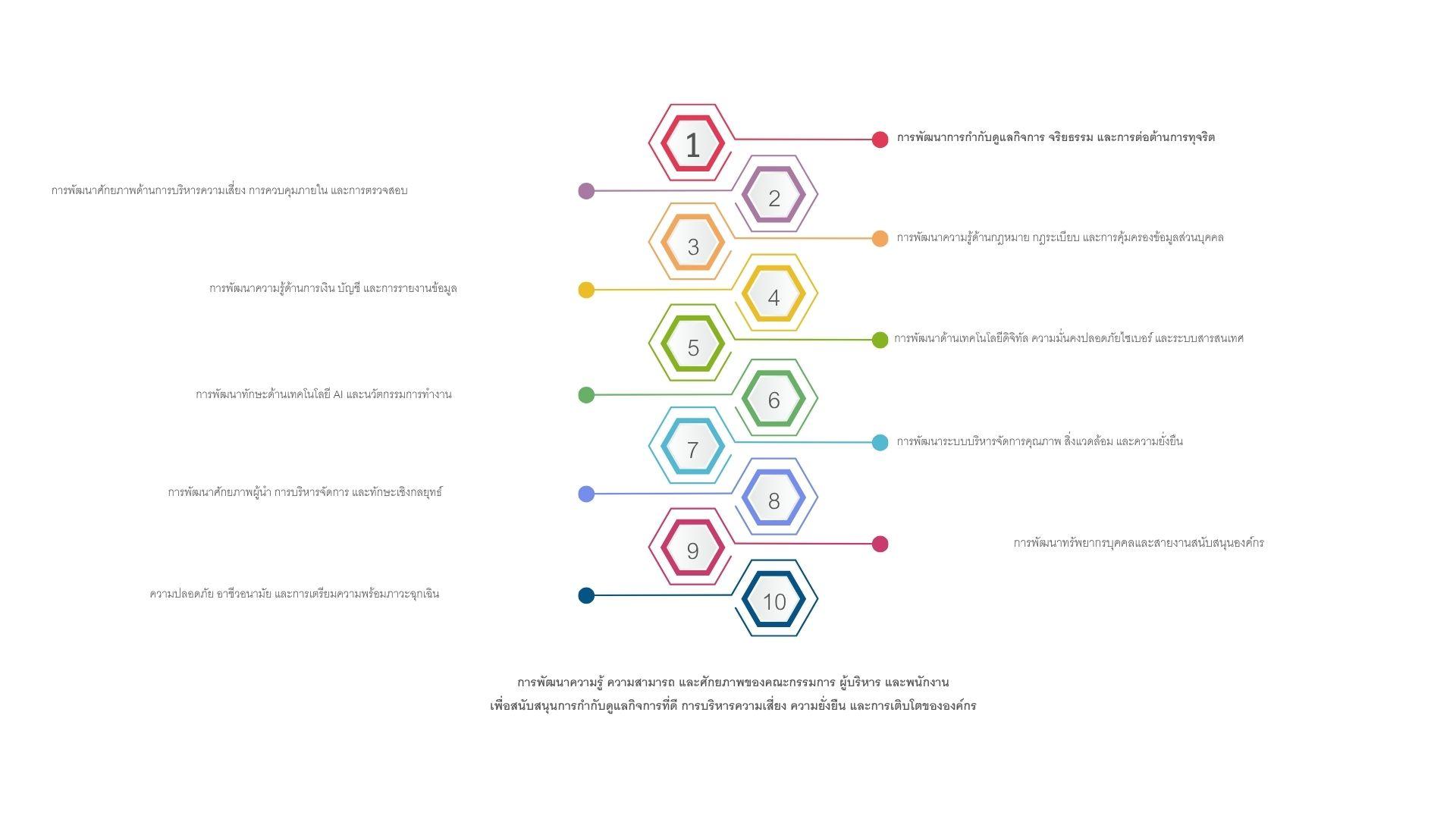
In 2025, the Company developed and approved its Annual Employee Training and Development Plan to build workforce capabilities in alignment with the business direction and the organization’s sustainable growth agenda. The plan defines ten core development pillars that encompass: corporate governance, ethics, and anti-corruption; risk management and internal controls; legal and regulatory knowledge and personal data protection; finance and reporting; digital technology and cybersecurity; AI skills and work innovation; quality management systems and sustainability; leadership and strategic capabilities; capability building for corporate support functions; and occupational health, safety, and emergency preparedness. These initiatives are designed to enable employees to perform effectively and transparently, while strengthening organizational resilience to future business changes.
Fair Compensation Practices
The company is committed to ensuring employee well-being, quality of life, and motivation. Compensation, benefits, and welfare programs are designed to be fair and appropriate, helping retain high-potential employees and maintain a low voluntary turnover rate.
Employee Relations and Engagement
The company conducts an annual employee engagement survey to gather opinions and suggestions. Results are jointly analyzed by the Human Resources Department and the Welfare Committee. Key findings are presented to management for approval and action. Survey results and progress updates are communicated to employees through email and company bulletin boards to ensure transparency and shared understanding.
Occupational Health and Safety
The company has established guidelines and operational standards on occupational health, safety, and workplace environment. Programs and activities are implemented regularly to support employee well-being and ensure a safe and healthy working environment.
Plan Document Link
https://www.dittothailand.com/en/sustainability/social/human-resource-development/
Plan Areas
| Plan Area |
|---|
| Fair employee compensation |
| Employee training and development |
| Promoting employee relations and participation |
| Occupational health and safety in workplace |
Employees — Workforce
Workforce Data
| Metric | Current Year | Previous Year | Two Years Ago |
|---|---|---|---|
| Total number of employees (Persons) | 379 | 345 | 334 |
| Number of male employees (Persons) | 222 | 206 | 194 |
| Number of female employees (Persons) | 157 | 139 | 140 |
| Total employment of disabled persons (people) | 9 | 5 | 13 |
| Total disabled employees (people) | 9 | 5 | 13 |
| Total male disabled employees (people) | 2 | 3 | 3 |
| Total female disabled employees (people) | 7 | 2 | 10 |
| Total disabled workers who are non-employee (people) | 0 | 0 | 0 |
| Contributions to the fund for promoting and improving the quality of life for disabled persons | |||
| Total number of male employees in operational level (Persons) | 168 | 153 | 156 |
| Total number of male employees in management level (Persons) | 50 | 49 | 34 |
| Total number of male employees in executive level (Persons) | 4 | 4 | 4 |
| Total number of female employees in operational level (Persons) | 111 | 97 | 116 |
| Total number of female employees in management level (Persons) | 42 | 37 | 22 |
| Total number of female employees in executive level (Persons) | 4 | 5 | 2 |
Employees — Remuneration & Provident Fund
Remuneration & Provident Fund
| Metric | Current Year | Previous Year | Two Years Ago |
|---|---|---|---|
| Total disabled employees (people) | 347,622,107.2 | 225,168,351.04 | 217,621,272.95 |
| Total male employee remuneration (Baht) | |||
| Total female employee remuneration (Baht) | |||
| Number of employees eligible to participate in PVD (persons) | 379 | 345 | 334 |
| Total number of employees joining employee provident fund (Persons) | 257 | 222 | 208 |
| Percentage of total number of employees joining employee provident fund to total number of employees (%) | 67.81 | 64.35 | 62.28 |
| Number of PVD members / Total eligible employees (%) | 67.81 | 64.35 | 62.28 |
| Total amount of provident fund contributed by the Company (Baht) | 6,601,514.17 | 5,899,083.02 | 5,146,381.41 |
| Total amount of provident fund contributed by employee (baht) | 8,208,092.64 | 7,142,582.4 | 6,199,155.55 |
Employees — Training & Development
Training Data
| Metric | Current Year | Previous Year | Two Years Ago |
|---|---|---|---|
| Average employee training hours (Hours / Person / Year) | 65 | 31 | 14 |
| Employee development and training expenses (baht) | 754,249.16 | 963,138.78 | 351,242.2 |
Employees — Occupational Health & Safety
Occupational Health & Safety Data
| Metric | Current Year | Previous Year | Two Years Ago |
|---|---|---|---|
| Total number of lost time injury incidents by employees (Cases) | 1 | 1 | 1 |
Employees — Labour Relations
Labour Relations Data
| Metric | Current Year | Previous Year | Two Years Ago |
|---|---|---|---|
| Proportion of voluntary resignations (%) | 8 | 14 | 13 |
| Total voluntary resignations (Persons) | 33 | 40 | 43 |
| Male employees who voluntary resigned (Persons) | 16 | 22 | 23 |
| Female employees who voluntary resigned (Persons) | 17 | 18 | 20 |
| Percentage of employee turnover leaving the Company voluntarily (%) | 2.11 | 14.49 | 12.87 |
| Evaluation result of employee engagement | 1 | 1 | 1 |
Employees — Employee Representation
Employees Are Represented Collectively
Yes
Forms of Representation
| Form |
|---|
| Welfare committee |
Employees — Targets
Has Set Employee Targets
Yes
Targets
| Indicator | Target Areas | Base Year — Description | Target Year | Target Year — Description |
|---|---|---|---|---|
| An average training duration of no less than 20 hours per person per year. | 2984 · Description: Employee training and development | -
| 2,025 | An average training duration of
no less than 20 hours
per person per year.
|
| Lost-Time Injury Frequency Rate (LTIFR) per 1 million working hours = 0 | 2988 · Description: Safety and occupational health at work | - | 2,025 | Lost-Time Injury Frequency Rate (LTIFR) per 1 million working hours = 0 |
| Employee satisfaction score is maintained at no less than 75% | 2985 · Description: Promoting employee relations and participation | - | 2,025 | Employee satisfaction score is maintained at no less than 75% |
Employees — Performance & Outcomes
Has Performance Results
Yes
Performance Description
Workforce Management Performance and Outcomes in 2025
1) Employee Training and Development
In 2025, the Company delivered 79 training courses to enhance employees’ skills and competencies. Employees completed an average of 65 training hours per person per year, significantly exceeding the target of 20 hours per person per year. Key programs included
1.1 High Potential Leader Program
This program identifies and develops high-potential talent to assume next-generation leadership roles, supporting business growth amid technological change and evolving customer needs. Development is anchored in the Company’s culture-service excellence, teamwork, craftsmanship, and openness to new opportunities.
A structured assessment process is used to detect Willingness to Change and Ability to Influence, followed by personalized development pathways through group activities, coaching, and practical application.
Benefits to the Company
Established a network of emerging leaders who act as Change Agents and culture champions.
Strengthened strategic thinking, change management, and decision-making under pressure.
Improved employee motivation and self-development, enhancing career confidence and lowering attrition.
Built long-term leadership bench strength to support sustainable business growth.
1.2 AI Capability Development to Enhance Work Efficiency
Recognizing that the AI skills gap directly affects business competitiveness, the Company delivered training to build foundational understanding of AI, the safe and responsible use of Generative AI tools, awareness of job/task implications, and practical adoption of automation to reduce repetitive work and improve efficiency. The curriculum is designed to uplift productivity, stimulate innovation, and drive a sustainable digital transformation.
Benefits to the Company
Employees can effectively leverage AI and automation to improve work outcomes.
Increased technological readiness and organizational agility.
A stronger culture of innovation and opportunity-seeking with AI.
Concrete progress toward enterprise-wide digital transformation.
1.3 Code of Conduct and Business Ethics Training
To foster responsibility, integrity, transparency, and good corporate governance at all levels, the Company provides ethics training covering key topics such as legal compliance, conflicts of interest, data confidentiality, human rights, anti-corruption, and positive social representation. This promotes consistent ethical behavior throughout the organization.
Benefits to the Company
Reduced legal and fraud risks.
Increased stakeholder trust.
Enhanced corporate governance reputation.
A more transparent and sustainable organizational culture.
1.4 Enterprise Risk Management (ERM)
In 2025, the Company strengthened its risk management framework by formally appointing a Risk Management Committee, expanding working groups, updating the Risk Management Manual to align with international standards, and engaging an external consultant to systematize risk processes.
To support these improvements, the Company rolled out Enterprise Risk Management training for employees at all levels, focusing on core risk terminology, foundational concepts, and practical skills in risk identification, analysis, evaluation, and treatment. The program also encourages the application of ERM principles within individual departments.
Benefits to the Company
A more systematic ERM framework aligned with international standards.
Improved risk knowledge, skills, and correct understanding among personnel, enabling effective risk management.
Greater organizational readiness for risk and stronger support for strategic decision-making.
A sustained organizational culture of risk-aware behavior and governance.
2 ) Occupational Health, Safety, and Working Environment
The Company is committed to continuously enhancing its safety management systems to reduce risks related to illness, injury, or fatality in the workplace, while ensuring an appropriate quality of life for all employees. In 2025, one work-related injury case resulting in sick leave was reported. Key initiatives undertaken by the Company during the year are as follows
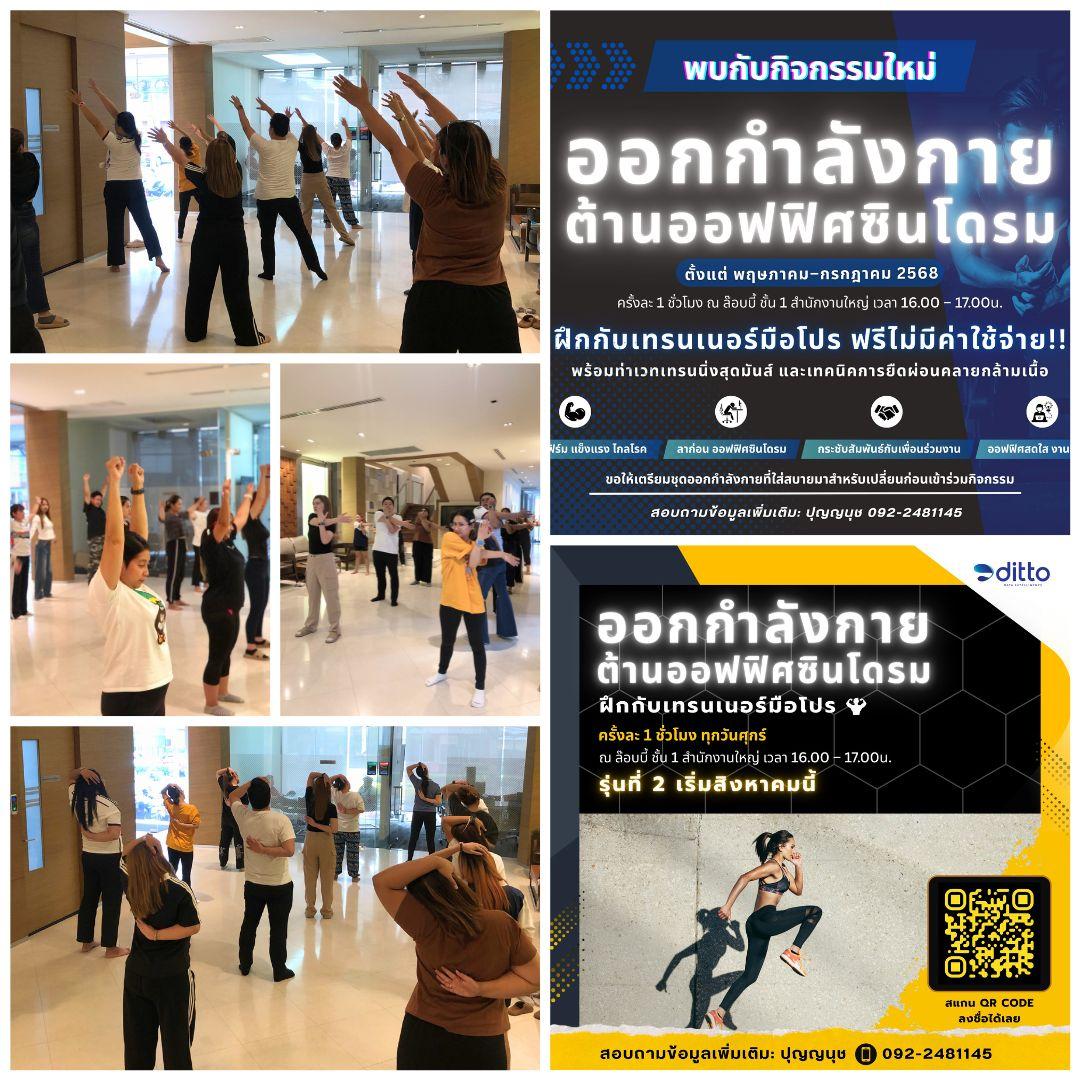
2.1 Health Promotion Activities to Reduce Office Syndrome
The Company organized weight training sessions aimed at improving employees’ overall health and physical strength, as well as alleviating office syndrome symptoms such as back pain and neck pain commonly caused by prolonged sitting. The objective of the program was to encourage employees to exercise correctly and regularly, while motivating them to maintain long-term wellness.
The activity was held on the 2nd and 4th Friday of each month from May to July 2025, at the lobby area on the 1st floor of the Head Office, from 4:00 p.m. to 5:00 p.m. The sessions were conducted by certified weight training specialists. A total of 30 employees expressed interest and registered to participate in the program.
2.2 Annual Health Check-ups and Influenza Vaccination Program
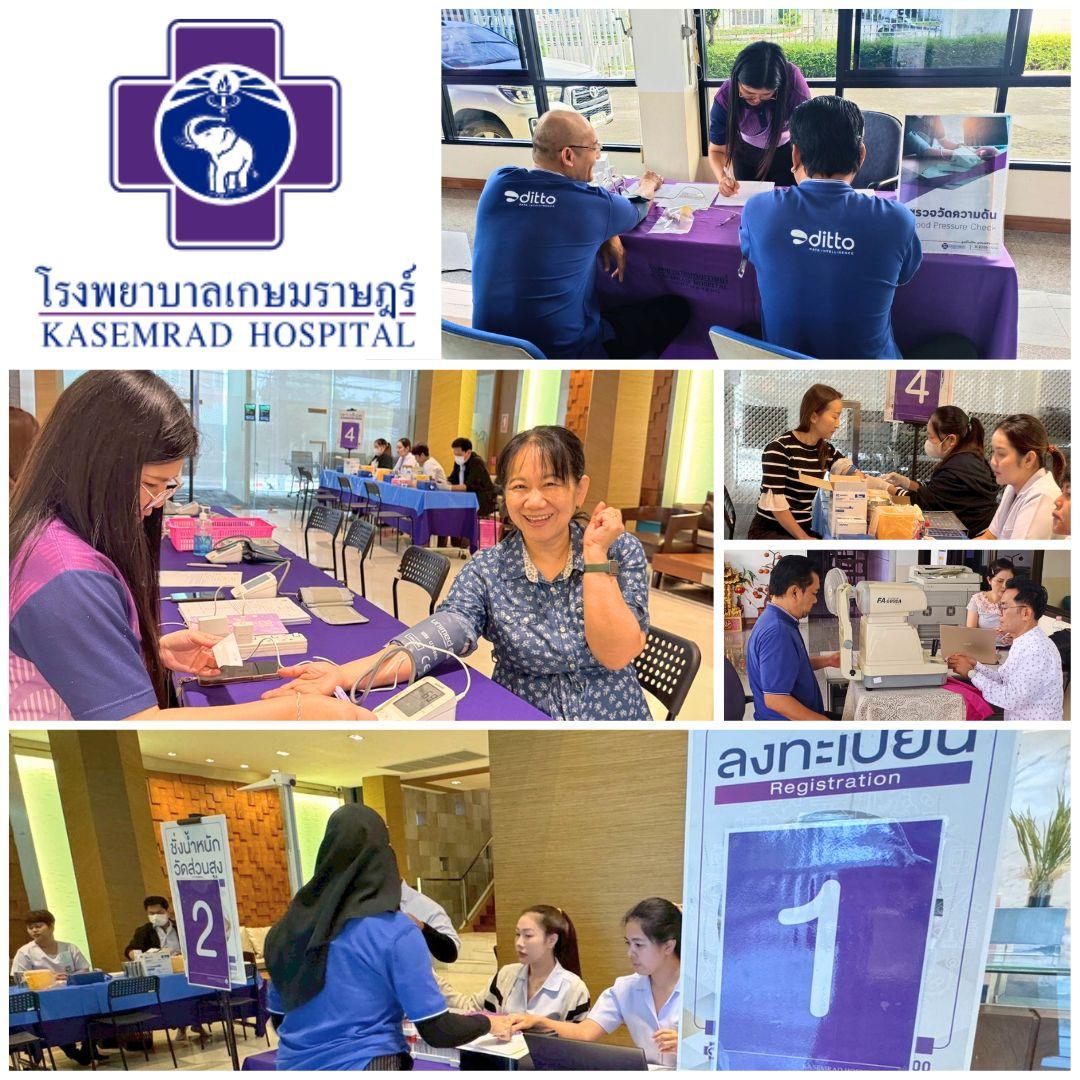
The Company arranged annual health check-ups for employees, covering more than 20 examination items tailored to individual health risks. In addition, influenza vaccines were offered during the period of increasing national flu outbreaks. Employees were able to receive the vaccination voluntarily at a special rate through Kasemrad Ramkhamhaeng Hospital.
Employees were encouraged to pre-register prior to the 2025 annual health check-up so the hospital could prepare sufficient vaccine doses for on-site administration. The program received very positive feedback. Furthermore, to extend care beyond employees, the Company also allowed employees’ family members to register for the same special vaccination rate at the hospital within one month after registration.
2.3 Workplace Environmental Assessment (Lighting Measurement)
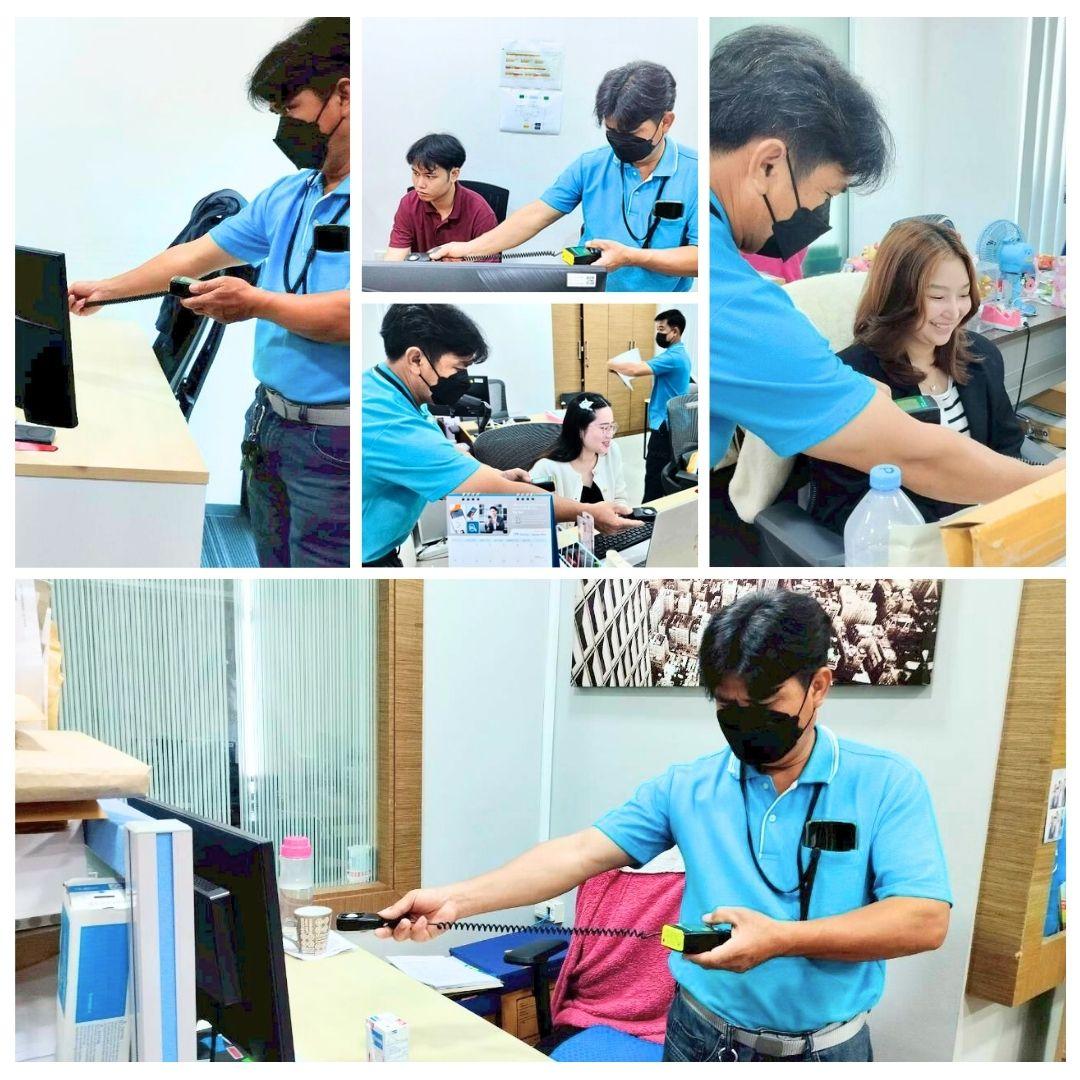
The Company conducted lighting measurements within work areas to ensure that illumination levels comply with relevant occupational safety standards and legal requirements. This assessment helps maintain safe lighting conditions for employees, while also serving as a preventive measure to safeguard employee health and minimize visual strain during work.
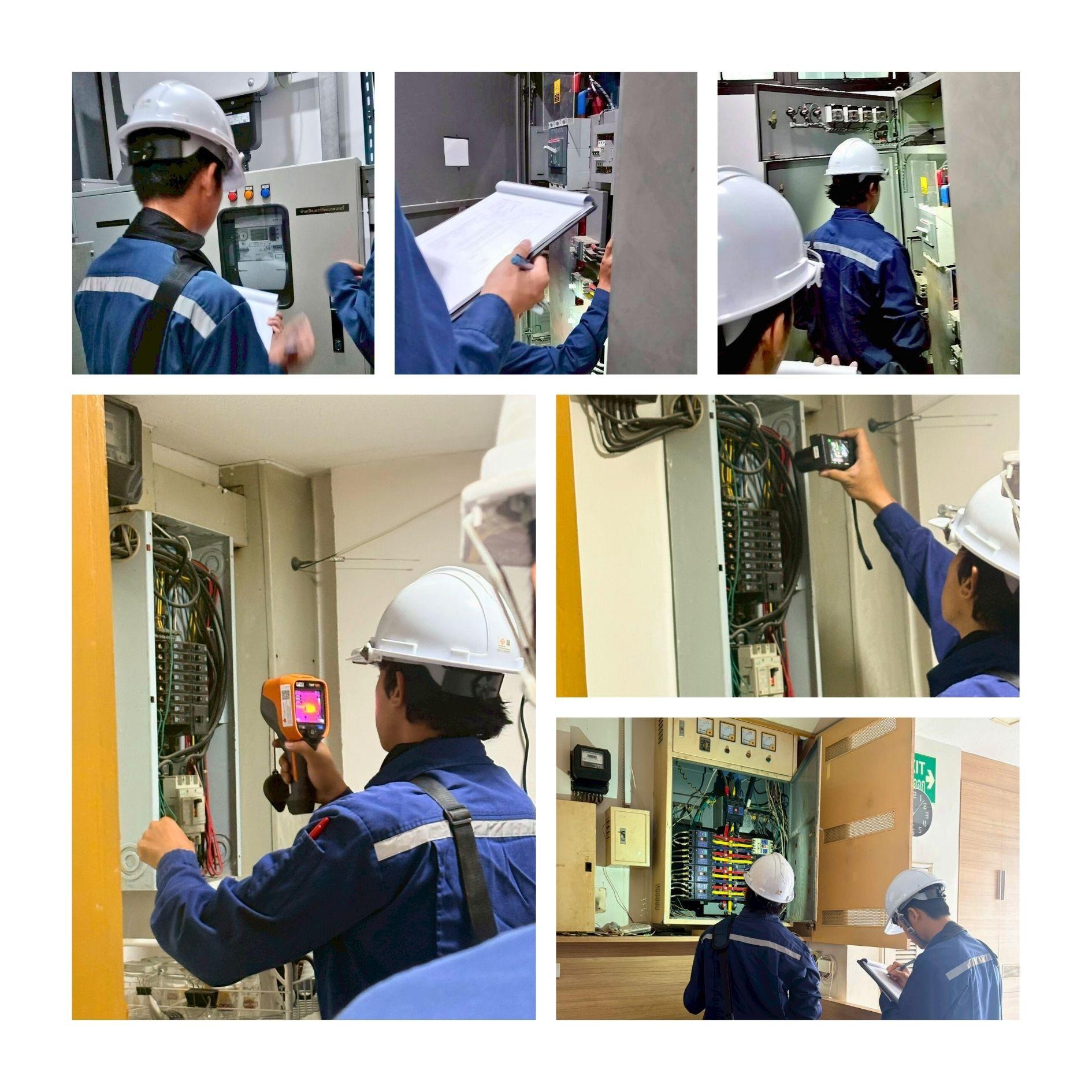
2.4 Electrical System Inspection and Certification
The Company carried out comprehensive inspections and certification of electrical systems—an essential process to verify safety and operational efficiency within the building. The inspection covered key electrical components such as control panels, circuit breakers, wiring systems, and other electrical equipment to ensure compliance with safety standards and legal regulations.
The certification process also included examination of electrical apparatus such as meters, fuses, and switches to confirm correct installation and safe functionality. These measures help prevent electrical hazards and enhance the reliability of the overall electrical system.
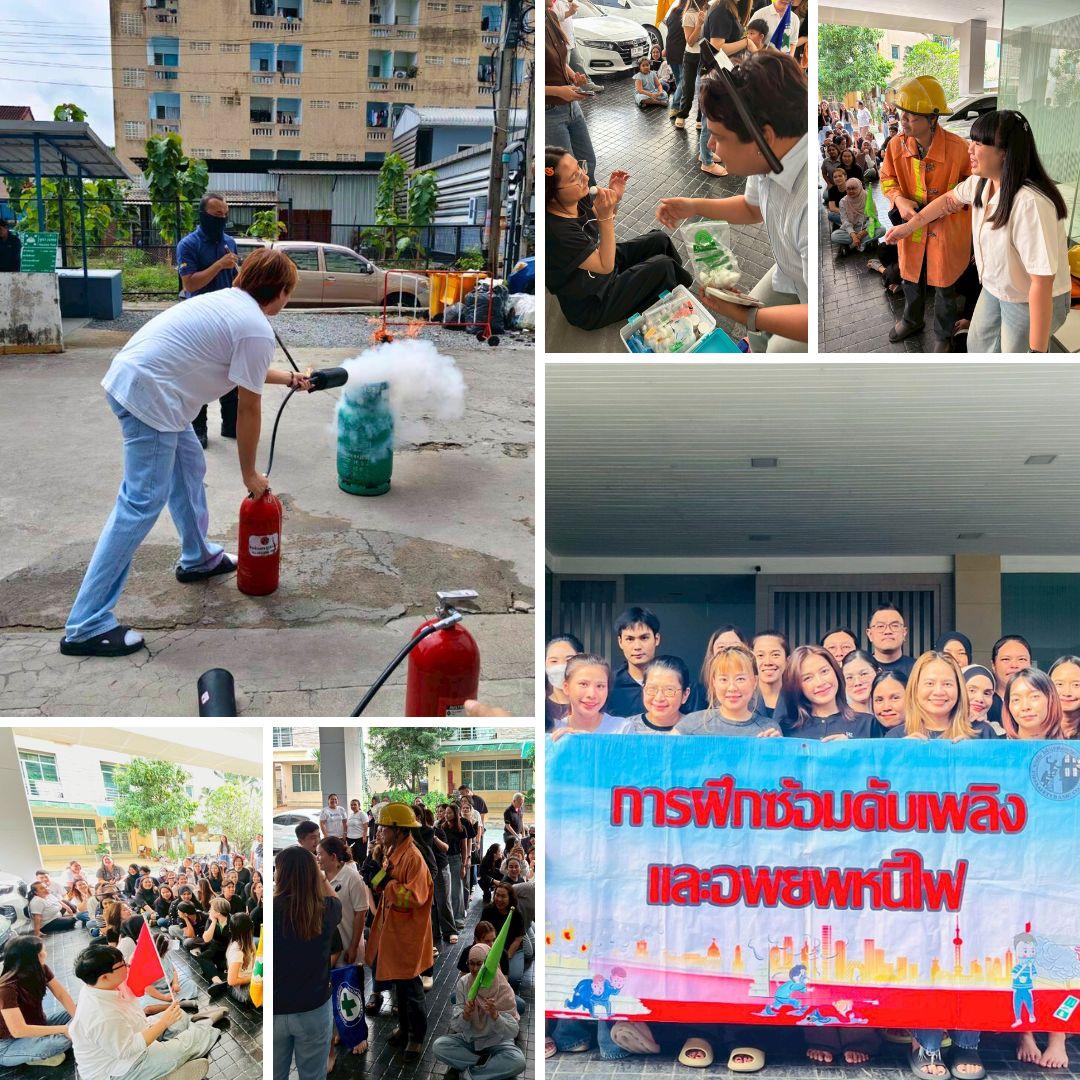
2.5 Fire Safety and First Aid Training
The Company conducted annual fire safety and basic first aid training sessions to ensure employees understand fire behavior, causes of fire incidents, and proper prevention and firefighting procedures. The training equipped participants with the necessary skills to operate fire extinguishers correctly and to respond promptly and effectively to fire emergencies and basic medical incidents.
3) Employee Engagement
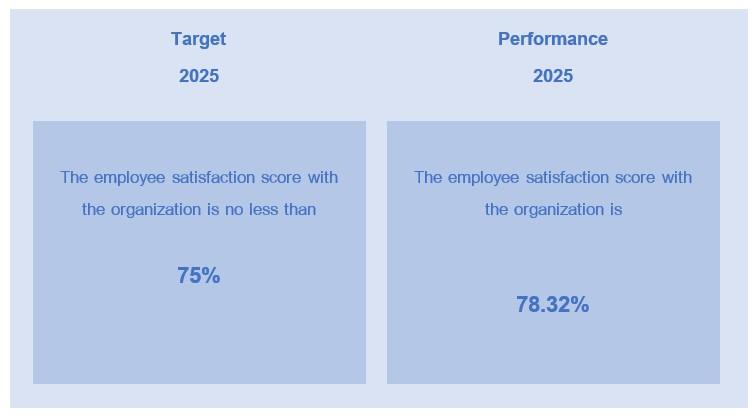
In 2025, the voluntary turnover rate was 8.73% (target ≤ 15%). The employee satisfaction score was 78.32% (target ≥ 75%).
Customers — Plan & Guidelines
Has a Customer Management Plan
Yes
Plan Description
Responsible production and services for customer
The Company places great importance on building and maintaining strong relationships with its customers, with a continued focus on enhancing customer satisfaction and confidence in its products and services. The Company conducts annual customer satisfaction surveys to gather feedback, which is used to improve service quality and to guide the development of products and services that appropriately respond to customer needs.
To maintain service standards at a satisfactory level, the Company promotes continuous training and capability development across all departments. Emphasis is placed on product and service knowledge, prompt responsiveness to customer needs, and the delivery of high-quality service, alongside marketing planning and the development of a diverse range of products and services.
In addition, the Company has established clear practices regarding customer responsibility, including:
Delivering quality products and services that meet customer expectations at fair and reasonable prices;
Providing accurate, sufficient, and timely information without exaggeration or misleading customers regarding product or service quality;
Communicating with customers in a courteous and effective manner, while providing appropriate channels for complaints and feedback;
Safeguarding customer confidentiality and personal data in an appropriate manner; and
Conducting marketing communications through multiple channels, such as direct communication by sales personnel and the Company’s website.
Protection of customer personal information
The Company has established policies and guidelines concerning personal data protection and information security to ensure that data subjects are informed about how their personal data is collected, the purposes of its processing, the retention period, and measures regarding its use, transfer, breach, or leakage. This also includes safeguarding the privacy and rights of data subjects whose personal data the Company processes, whether directly or indirectly identifiable.
Data Security
The Company places great importance on maintaining information and cybersecurity, as well as protecting personal data, which are key factors in building trust among stakeholders and enabling business operations in the digital era. The Company has established information security management guidelines covering policy, operational processes, and risk control to ensure that its information technology systems remain secure, reliable, and capable of supporting continuous business operations.
The Company has an Information Technology Department responsible for overseeing and managing the organization’s information system security to ensure efficiency. This includes implementing measures to prevent and manage risks arising from cyber threats, as well as preventing inappropriate or non-compliant use of information systems. The Company has also established a governance structure and control measures for information and system security to ensure systematic management of information technology–related risks.
Plan Areas
| Plan Area | Other — Please Specify |
|---|---|
| Responsible production and services for customers | |
| Development of customer satisfaction and customer relationship | |
| Protection of customer personal information | |
| Others | Data Security |
Customers — Satisfaction Results
Customer Satisfaction Results
| Metric | Current Year | Previous Year | Two Years Ago |
|---|---|---|---|
| Evaluation results of customer satisfaction | 1 | 1 | 1 |
Customers — Targets
Has Set Customer Targets
Yes
Targets
| Indicator | Target Areas | Target Year | Target Year — Description |
|---|---|---|---|
| Customer satisfaction score | 3009 · Description: Development of customer satisfaction and customer relationship | 2,025 | Customer satisfaction score is no less than 85% |
Customers — Performance & Outcomes
Has Performance Results
Yes
Performance Description
Development of customer satisfaction and customer relationship
The Company regularly monitors and evaluates customer satisfaction through annual surveys in order to analyze feedback and continuously improve service quality. In 2025, the customer satisfaction survey result reached 86.36%, exceeding the Company’s target of 85%. This outcome reflects the Company’s commitment to delivering high-quality services and effectively responding to customer needs.
Based on the survey findings, the Company identified areas for further improvement in certain aspects of service delivery, particularly in customer communication and coordination, as well as in providing information and advice that more precisely meet customer expectations. In response, the Company has implemented continuous personnel development initiatives, including in-depth training on its products and services, as well as the enhancement of customer service skills such as courteous communication, appropriate use of language and tone of voice, active listening, and professional service delivery. These initiatives aim to enhance the overall customer experience and maximize customer satisfaction.
In addition, the Company encourages all relevant departments to continuously develop employee capabilities by strengthening product knowledge, improving service processes, and expanding the range of products and services. These efforts enable the Company to respond effectively to customer needs and maintain service standards that foster long-term customer confidence and satisfaction.
Protection of customer personal information
The Company consistently updates and amends its personal data protection policies, privacy notices and guidelines to comply with the operational approaches and criteria of personal data protection laws, specifically the Personal Data Protection Act B.E. 2562 (2019) (PDPA) and related subordinate legislation, including any amendments to the PDPA B.E. 2562 (2019) Details are as follows:
Company's Personal Data Protection Policy and Guidelines (Privacy Policy) Click
Personal Data Protection Policy and Privacy Notices for Business Partners/Contracting Parties, for Third Parties, for Personnel, for Customers, and for Applicants Click
Personal Data Retention and Disposal Policy Click
Personal Data Protection Guidelines and Company Prevention Measures Click
Design and development of systems for recording personal data processing activities and processing operations
Appointment of a Data Protection Officer (DPO) to continuously audit and supervise the operations of the Company and its subsidiaries for compliance with personal data protection laws.
To further enhance compliance with personal data protection laws and ensure continuity of operations, the Company has adjusted its organizational structure relating to the Data Protection Officer (DPO) function. The DPO is authorized to report directly to the Company’s Executive Committee on matters related to personal data protection compliance and audit outcomes of the Company and its subsidiaries, thereby strengthening oversight efficiency and compliance with applicable personal data protection regulations.
Data Security
The Company has established policies and practices covering governance, risk management, and control measures to prevent data theft and data leakage, as well as to address cyber threats and enhance stakeholder confidence.
In 2025, the Company continuously implemented data security measures, including the installation and enhancement of effective cybersecurity protection systems, strict access control management based on the principle of least privilege, regular data backup, and the implementation of system recovery plans to address emergency situations. These efforts were complemented by regular system security monitoring and testing, including vulnerability assessments and penetration testing, to reduce potential risks and business impacts.
In addition, the Company places strong emphasis on raising cybersecurity awareness among employees by providing ongoing training and awareness campaigns to strengthen knowledge, understanding, and appropriate behavior in the use of information systems. These initiatives are a key component in reinforcing long-term data and information security.
The Company has also provided channels for feedback and complaints for individuals who may be affected by personal data rights violations through its whistleblowing and complaint-handling system on the Company’s website. In 2025, the Company did not receive any customer complaints related to personal data security breaches, nor were there any cases of customers being affected by data leakage, loss, destruction, or theft.
Community & Social — Plan & Guidelines
Has a Community & Social Plan
Yes
Plan Description
Operational Planning and Performance Reporting
The Company is committed to promoting awareness and knowledge of social and environmental responsibility among employees at all levels, serving as a shared framework for contributing to the sustainable development of communities, society, and the environment.
To ensure effective implementation, the Company assigns its Corporate Social Responsibility (CSR) working team to develop annual plans covering projects and initiatives that deliver long-term value to society. These plans are proposed to the Executive Committee on an annual basis, together with an allocated budget aligned with the Company’s business operations, financial position, and overall performance.
The Company also requires the CSR working team to report operational performance to the Executive Committee at least once per year. For 2024, the Company established an annual action plan and budget, along with performance reporting under the approved framework, as outlined below.
Project and Activity Implementation Framework
1. Community Understanding and Issue Identification
The CSR working team conducts in-depth assessments of target communities by reviewing baseline data and analyzing key challenges. This includes engaging with community leaders and studying best practices from other communities to identify appropriate and sustainable solutions.
2. Field Assessment and Needs Analysis
On-site assessments are carried out to evaluate community impacts and identify key concerns and needs. This involves direct engagement with community stakeholders and environmental observations, such as water contamination and waste management issues. The insights gathered are analyzed to determine priority areas and guide project design based on urgency and impact.
3. Project and Activity Design
Projects and activities are carefully designed to address identified community needs and challenges. These may include knowledge-sharing programs, provision of essential equipment, infrastructure development, and volunteer initiatives. Resource requirements—such as budget, personnel, and external partnerships—are also considered to ensure feasibility and effectiveness.
4. Implementation and Community Engagement
Projects are implemented in close collaboration with local communities, with a strong emphasis on participation and co-creation. Training sessions and workshops are conducted to equip community members with practical knowledge and skills. Continuous monitoring and adaptive improvements are undertaken throughout implementation to maximize efficiency and outcomes.
5. Monitoring, Evaluation, and Reporting
The Company systematically collects and evaluates data on project outcomes, including the number of beneficiaries, community satisfaction levels, and measurable social or environmental improvements. Results are assessed against predefined objectives to determine project effectiveness.
Comprehensive performance reports are prepared, highlighting key achievements, challenges, and recommendations for future development, ensuring continuous improvement and long-term sustainability of CSR initiatives.
Plan Areas
| Plan Area |
|---|
| Education |
| Forests and natural resources |
| Occupational health, safety, health, and quality of life |
Community & Social — Targets
Has Set Community & Social Targets
No
Community & Social — Performance & Outcomes
Has Performance Results
Yes
Performance Description
The Committee has implemented activities in line with the approved plans and allocated budgets across the following areas:
Environmental Initiatives
Mangrove Puzzle Mission
The CSR Committee organized an engaging activity for youth golfers during the Ditto Championship 2025, featuring a mangrove ecosystem puzzle. Participants assembled key ecosystem components—trees, animals, water, and soil—into a complete picture. Upon completion, they received concise educational insights on the roles and benefits of mangrove forests, including their importance in ecosystem balance, carbon sequestration, and environmental conservation.
This initiative aimed to instill environmental responsibility among youth by fostering awareness and appreciation of natural resources through interactive and creative learning.
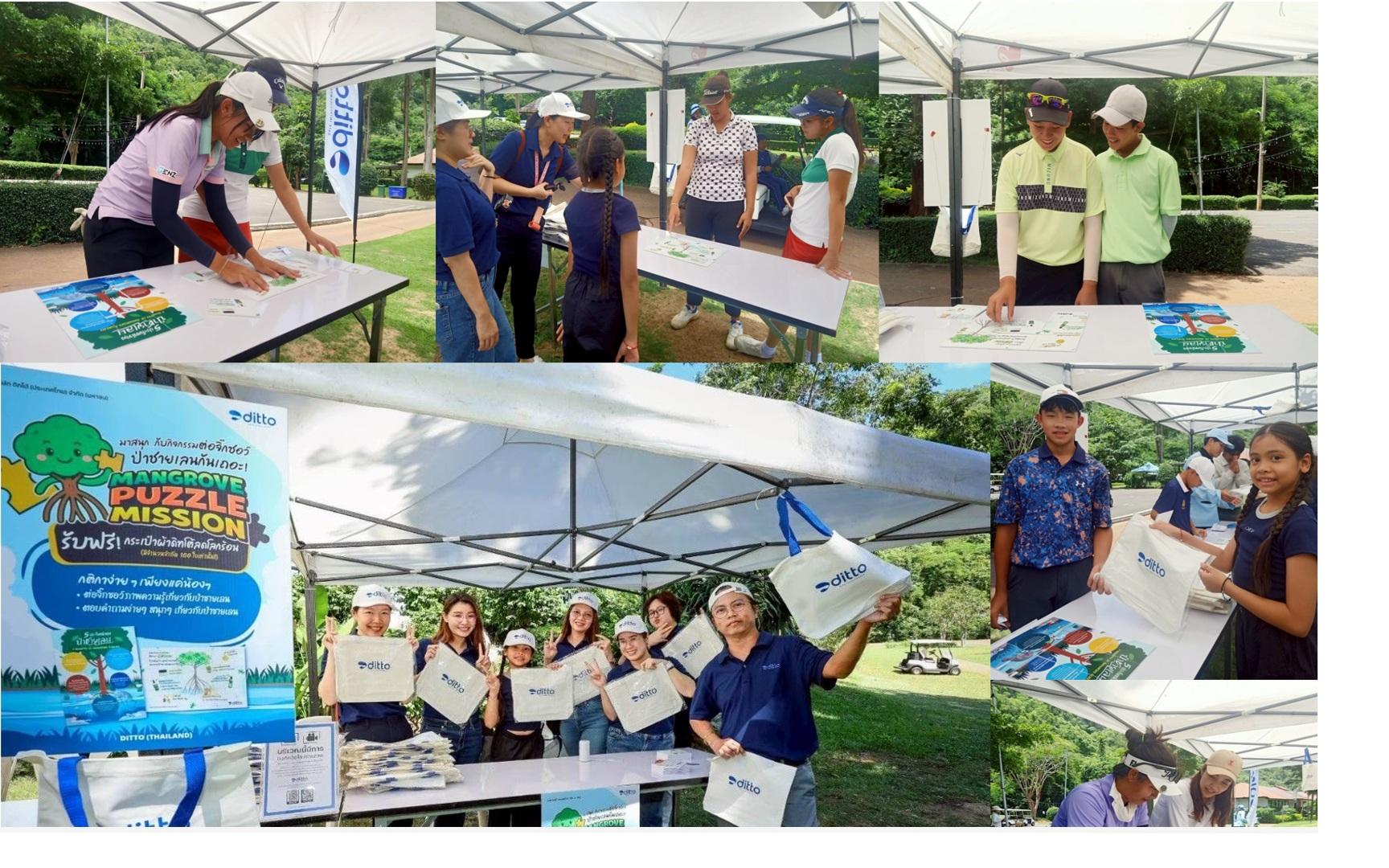
Waste Segregation Awareness Program
Located near a coastal estuary, Wat Srikongkharam School faces ongoing environmental challenges from marine debris. In response, the CSR team conducted a waste segregation awareness program and supported the establishment of a “waste bank” in collaboration with local government agencies.
The program was designed to raise environmental awareness among students and the surrounding community, while promoting proper, effective, and sustainable waste management practices.
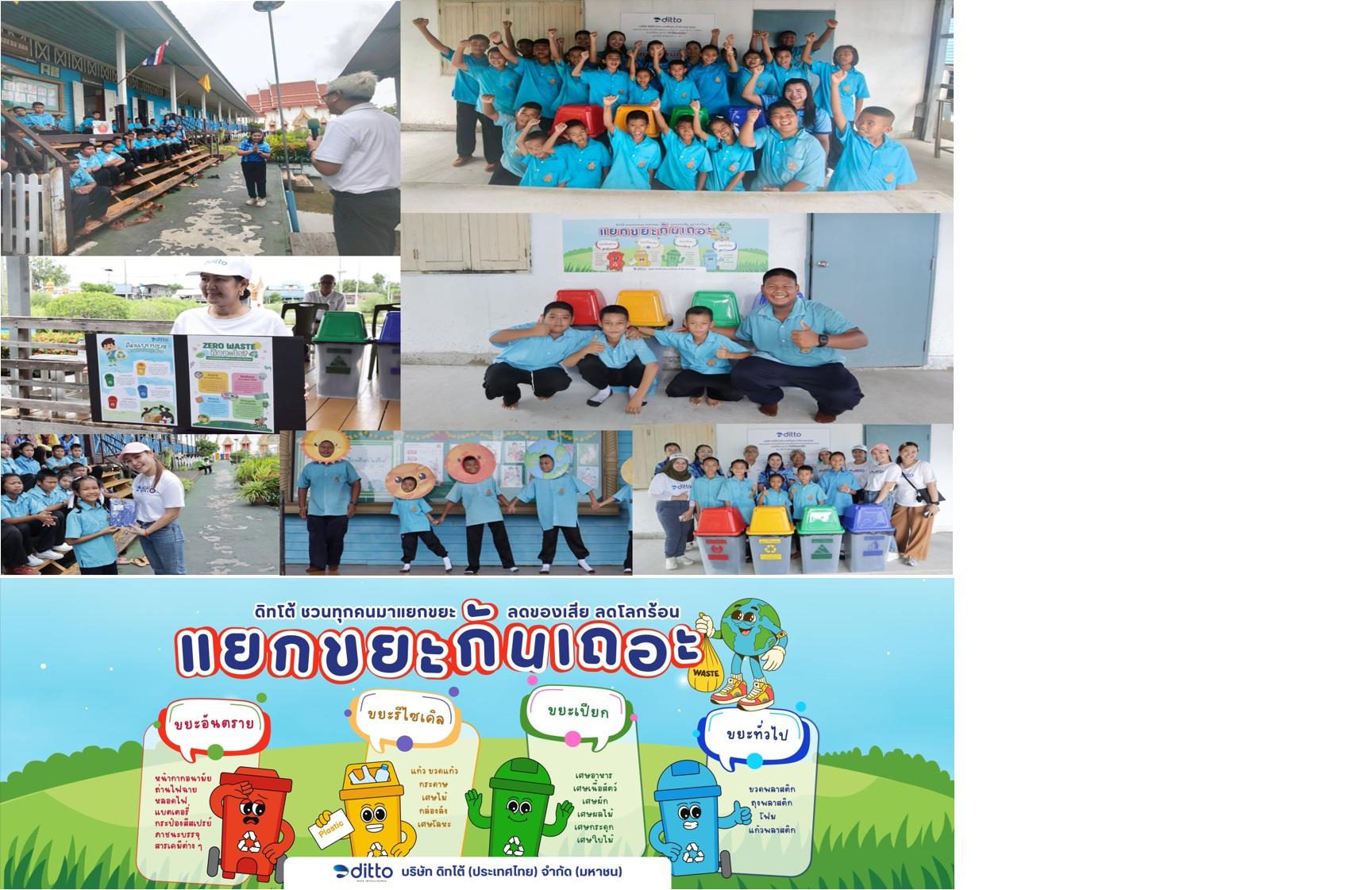
Ditto Sharing Smiles Project (Year 4)
Originally scheduled for 2024 but postponed due to tidal constraints, the project was successfully implemented in 2025. The Company renovated the area behind the school cafeteria, enhancing its structural integrity, cleanliness, and safety. Improvements included concrete flooring and roofing installation, with a total investment of THB 101,516.
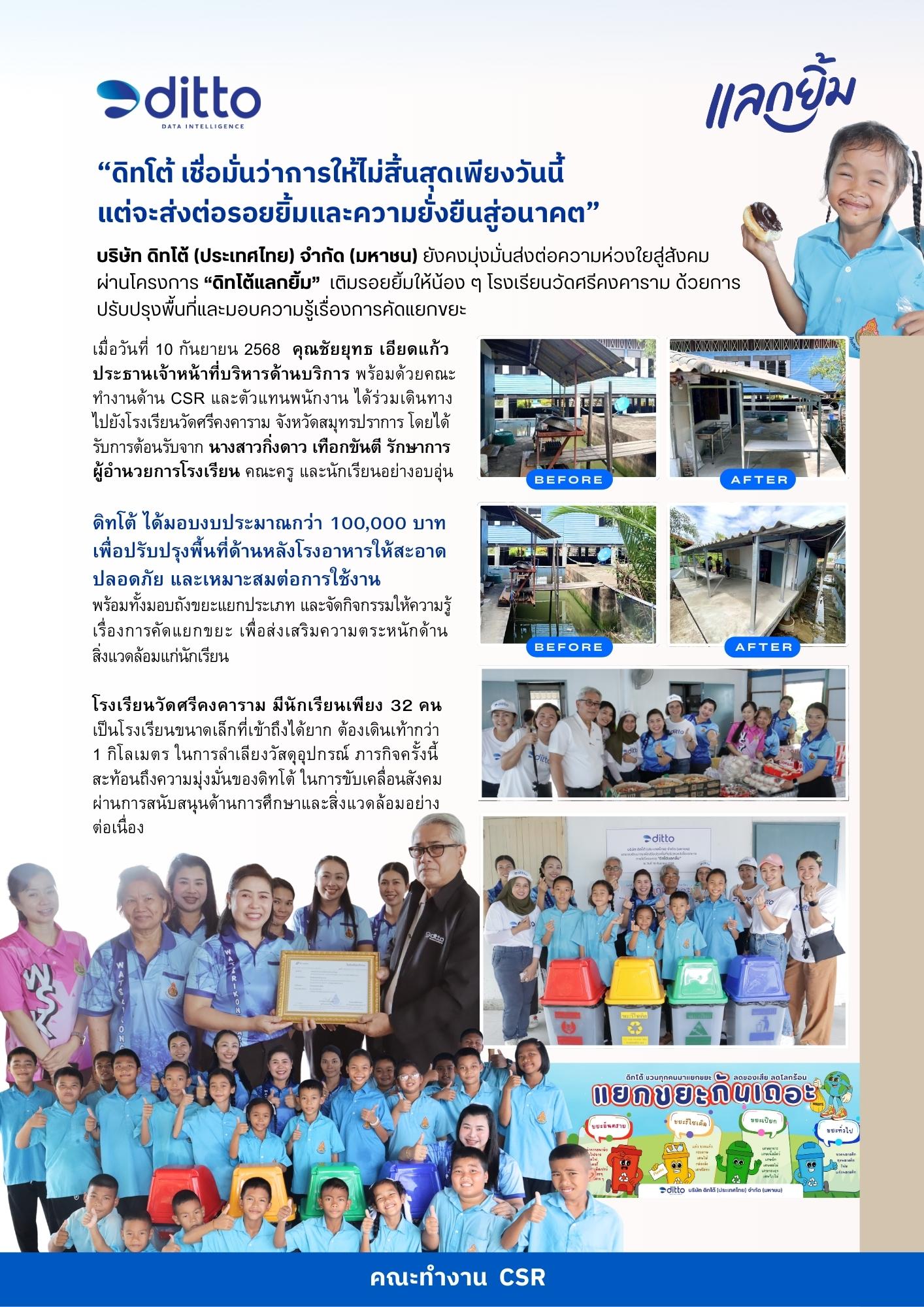
Educational Development Initiatives
Scholarships and Educational Supplies Program – National Children’s Day 2025
With an allocated budget of THB 40,000, the Company proposed awarding 40 scholarships valued at THB 500 each. Additionally, educational materials and sports equipment were provided to several institutions, including:
Khlong Tamru Subdistrict Municipality Office
Surao Hua Mak Noi School
Saphan Sung Youth Center
Story Cart Project for pediatric patients (Children’s Foundation)
National Library of Thailand
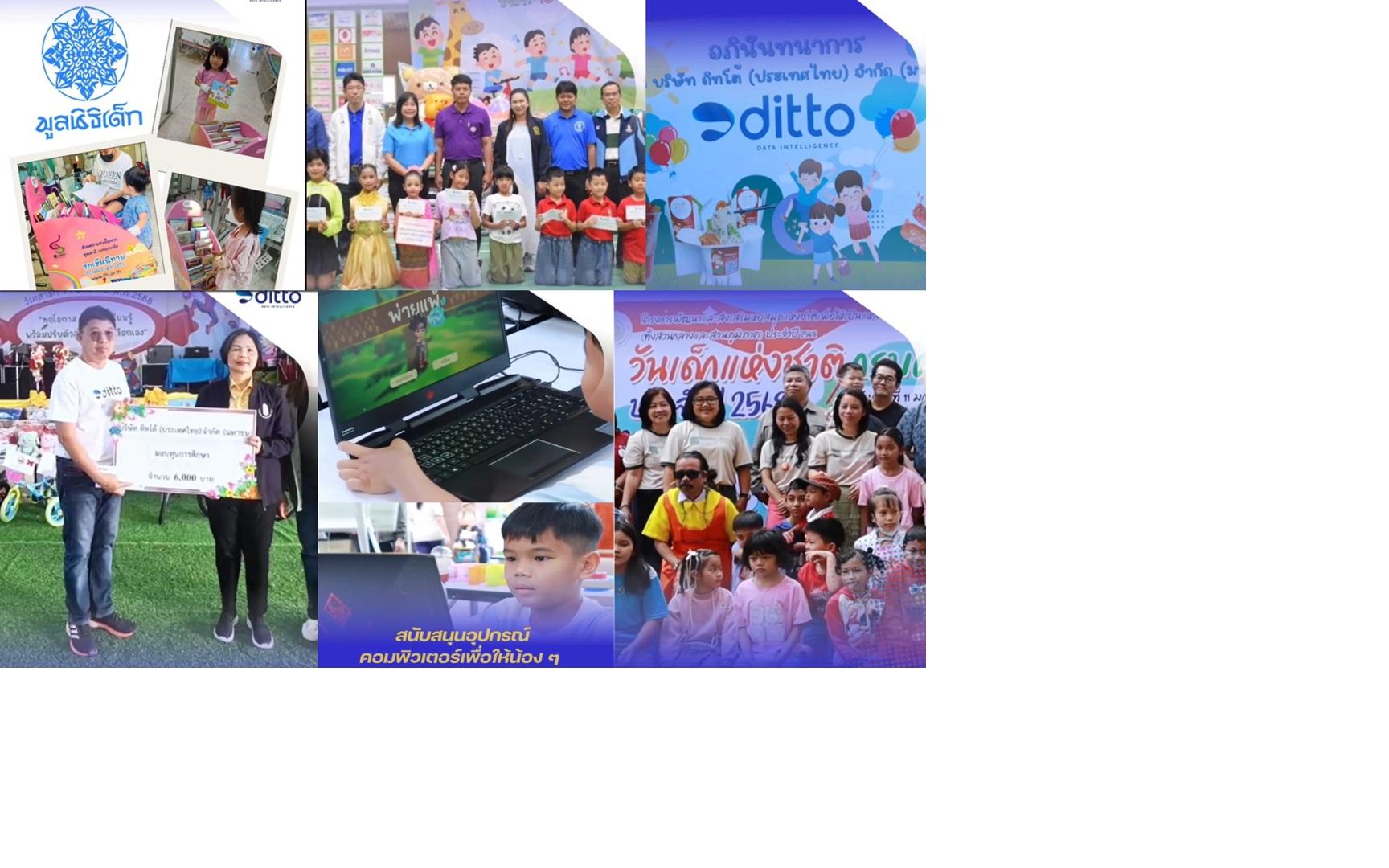
Donation of Decommissioned Assets
The Company donated decommissioned IT assets from its 2024 annual inventory to support educational institutions and government agencies. These resources enhance access to technology for teaching, learning, and skill development.
Key contributions included:
4 desktop computers and 8 laptops donated to the Border Patrol Police Headquarters (Phaya Thai) on 23 July 2025
7 computers and 3 laptops donated to the Watthana Learning Promotion Center on 25 July 2025
This initiative reflects the Company’s commitment to advancing educational equity and reducing the digital divide.
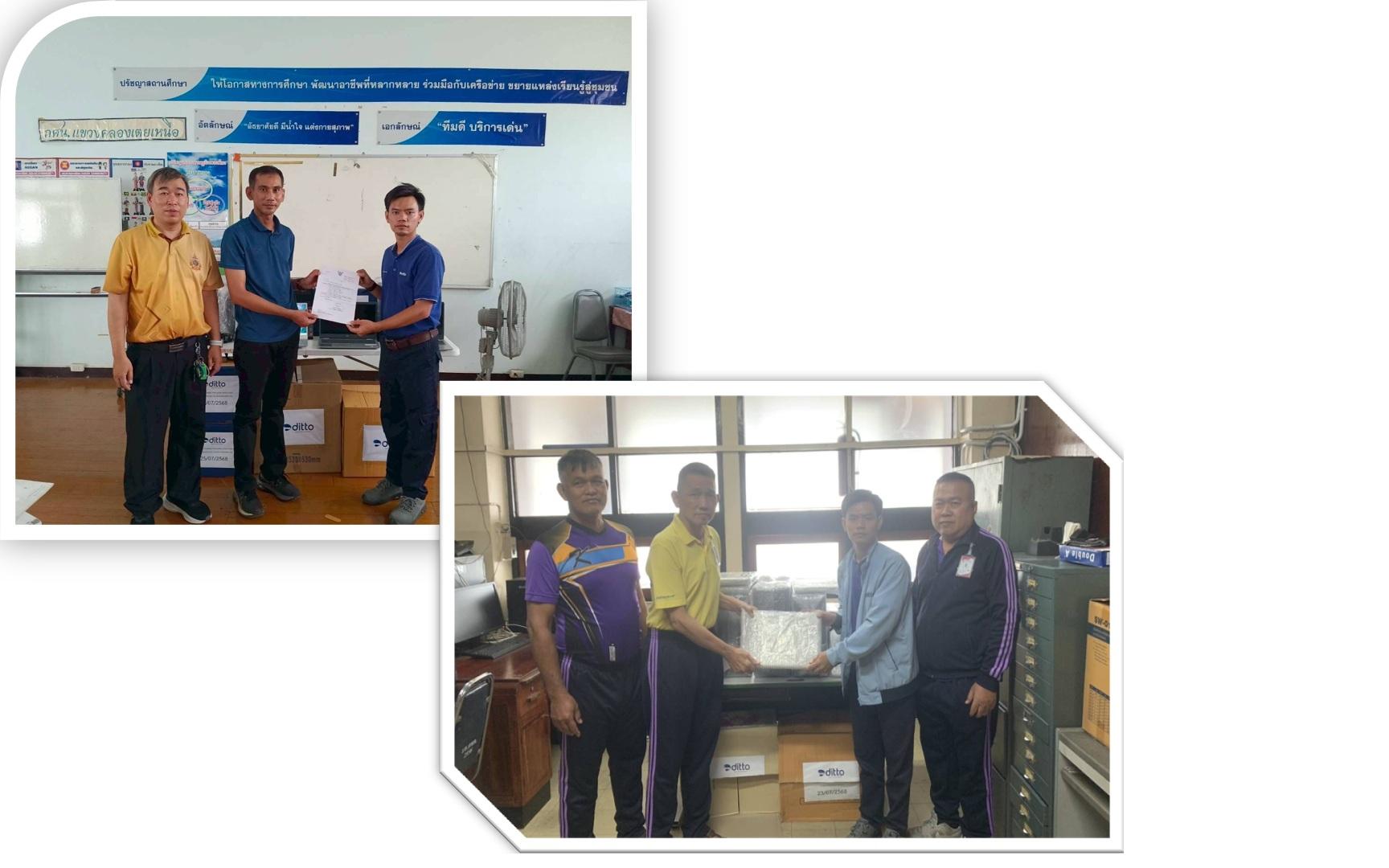
CSR Scholarship Program (Year 4)
The Company awarded scholarships to 21 children of low-income employees under the “CSR Scholarship for Youth” program. Each scholarship was valued at THB 5,000, totaling THB 105,000, and was presented on 17 June 2025.
This initiative underscores the Company’s dedication to supporting education as a cornerstone of sustainable human and social development.
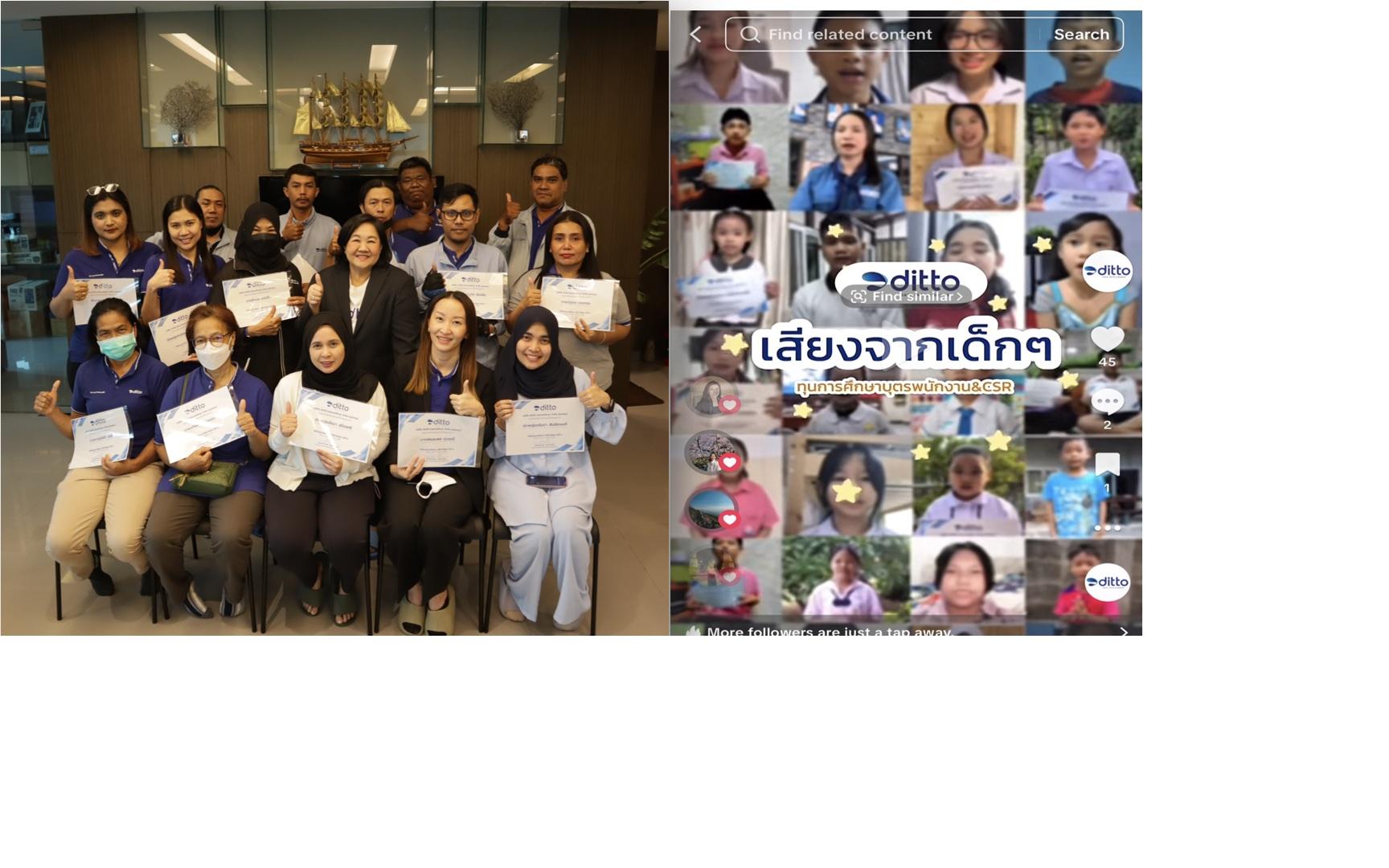
Ditto Stargazing Experience at Bangkok Planetarium (Year 4)
The Committee selected two underprivileged schools in Chachoengsao Province—Phraphimon Senee School and Khlong Phanthong School—to participate in an educational field trip to the Bangkok Planetarium.
The activity welcomed approximately 170 participants, including students, teachers, employees’ families, and volunteers, on 21 August 2025. It aimed to broaden learning opportunities, promote experiential education, and inspire interest in science and technology.
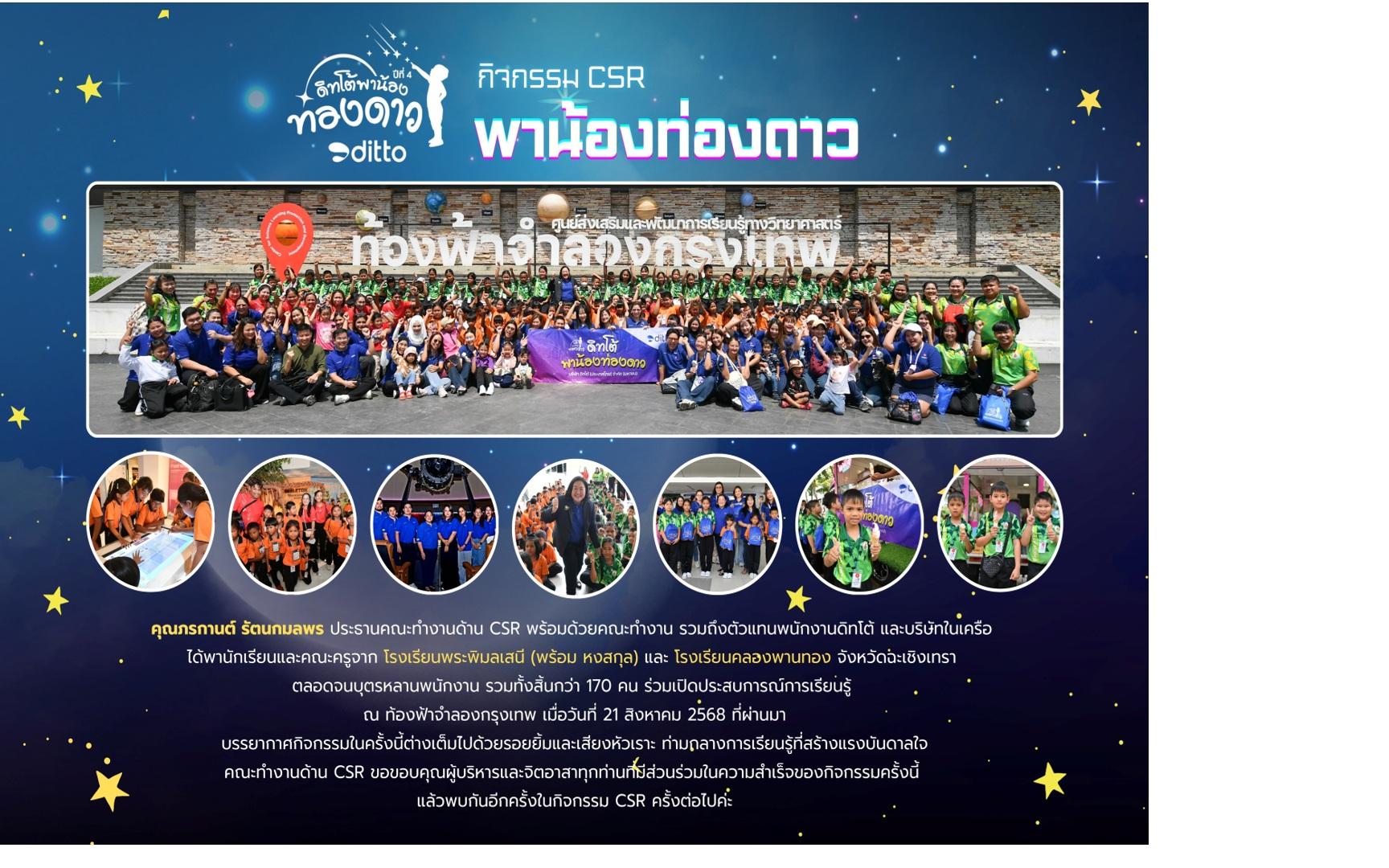
Ditto Reading Sharing Project (Year 4)
Three rural schools in Kanchanaburi Province were selected to receive book cabinets to promote literacy:
Ban Huai Suea School
Ban Thung Suea Thon School
Border Patrol Police Learning Center Luang Prakob Nitisarn & Thanpuying Thawin
Delivered on 11 November 2025, this initiative supports equal access to education and fosters foundational reading skills essential for long-term development.

Stock Exchange of Thailand Computer Project
The Company participated in the “Computers for Thai Children: Financial Literacy Initiative,” commemorating the 50th anniversary of the Stock Exchange of Thailand. A total of 20 computers were donated to support digital learning and financial literacy among youth, with delivery on 14 July 2025.
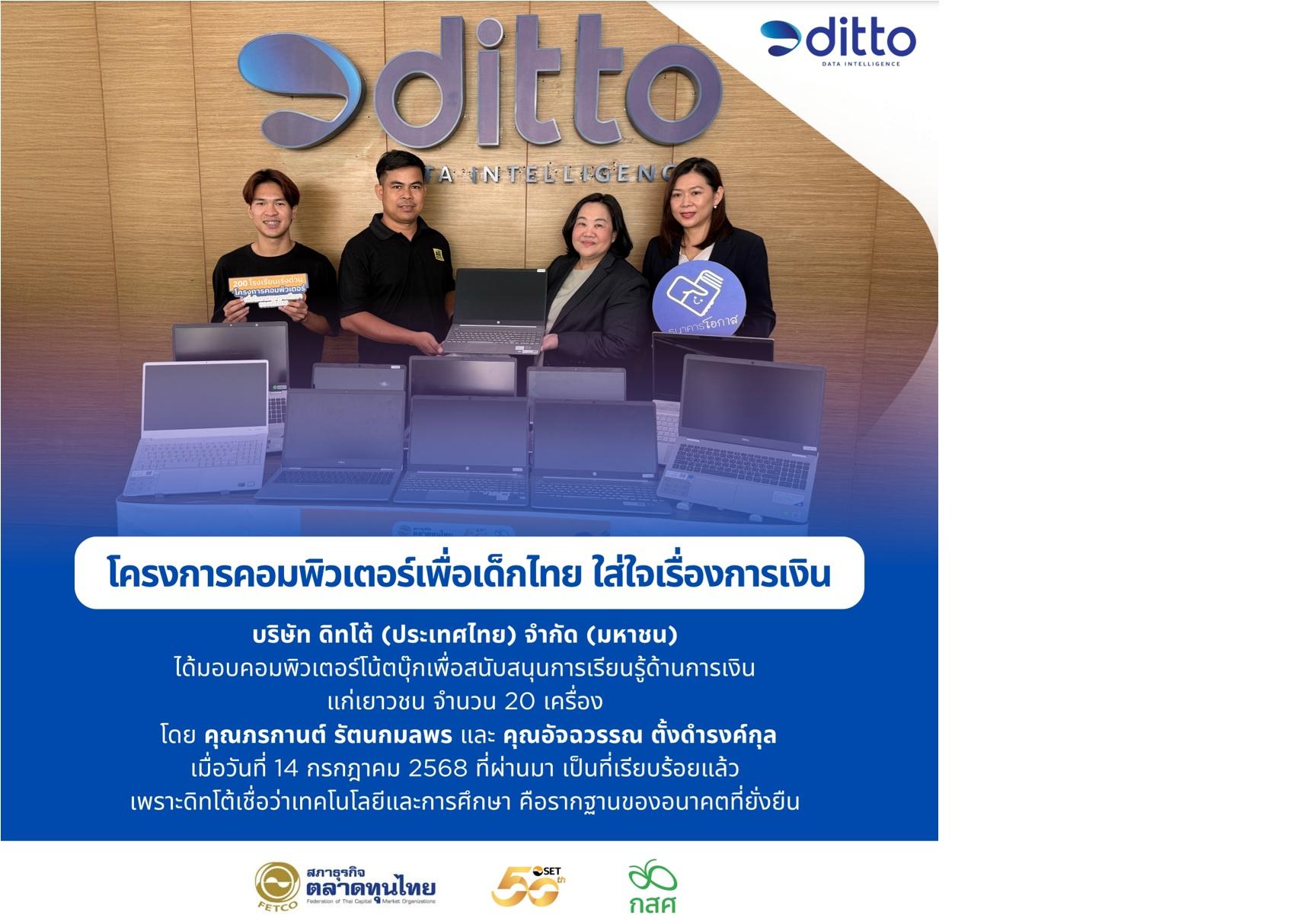
Youth Golf Development Support – GENZ GOLF TOUR 2025
The Company supported the GENZ Golf Tour 2025, an international-standard youth golf tournament aimed at developing young athletes’ skills and preparing them for global competition.
Beyond sports development, the initiative promotes discipline, sportsmanship, and career pathways in golf, while enhancing brand awareness among youth and families. The Company contributed THB 1,000,000 to support the program.
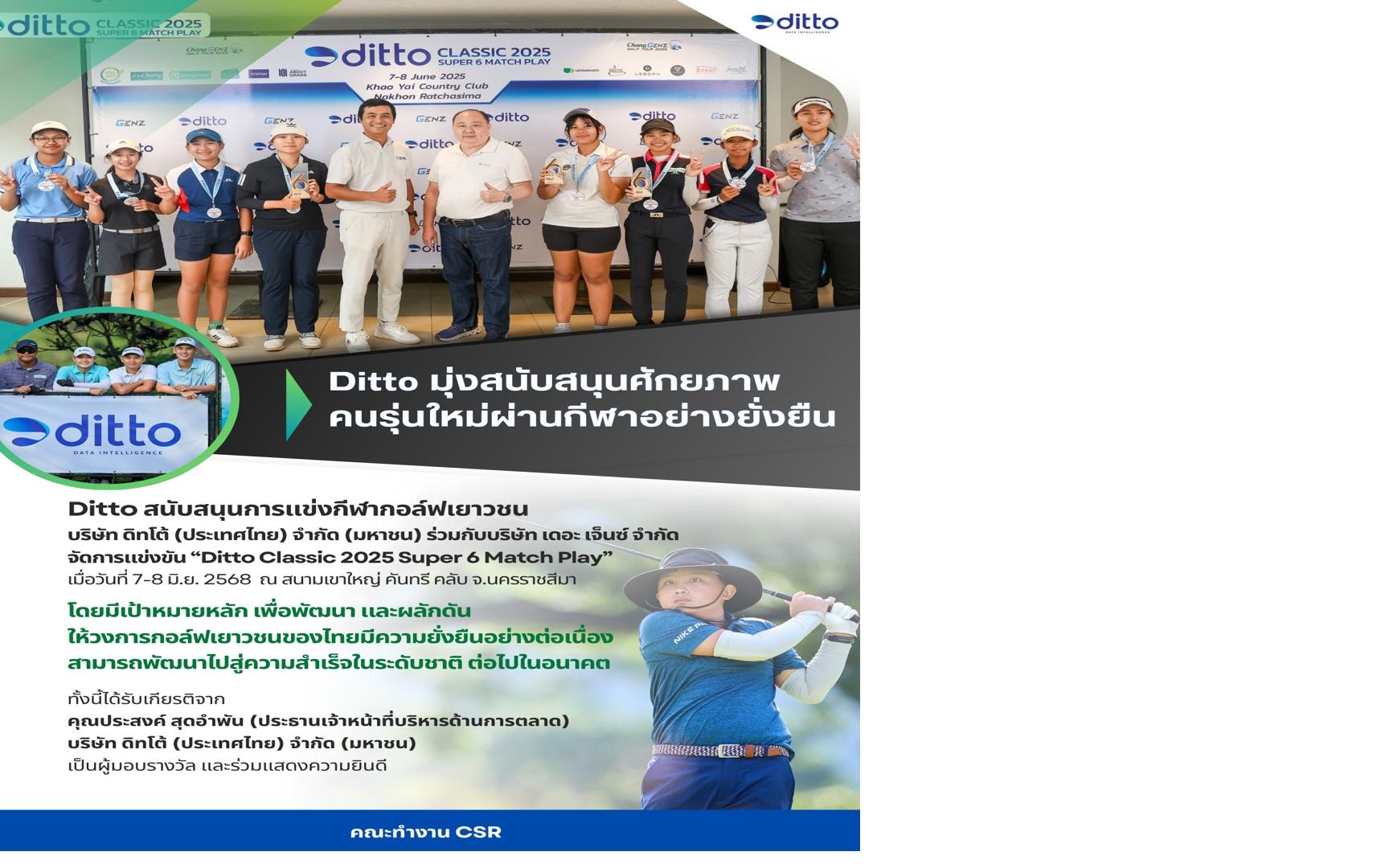
Sportswear Support for Students (Wachiratham Sathit School)
In response to a request from Wachiratham Sathit School, the Company allocated THB 10,000 to provide football kits for student athletes participating in futsal competitions under the Office of the Basic Education Commission.
This support encourages physical development, teamwork, and balanced growth alongside academic learning.
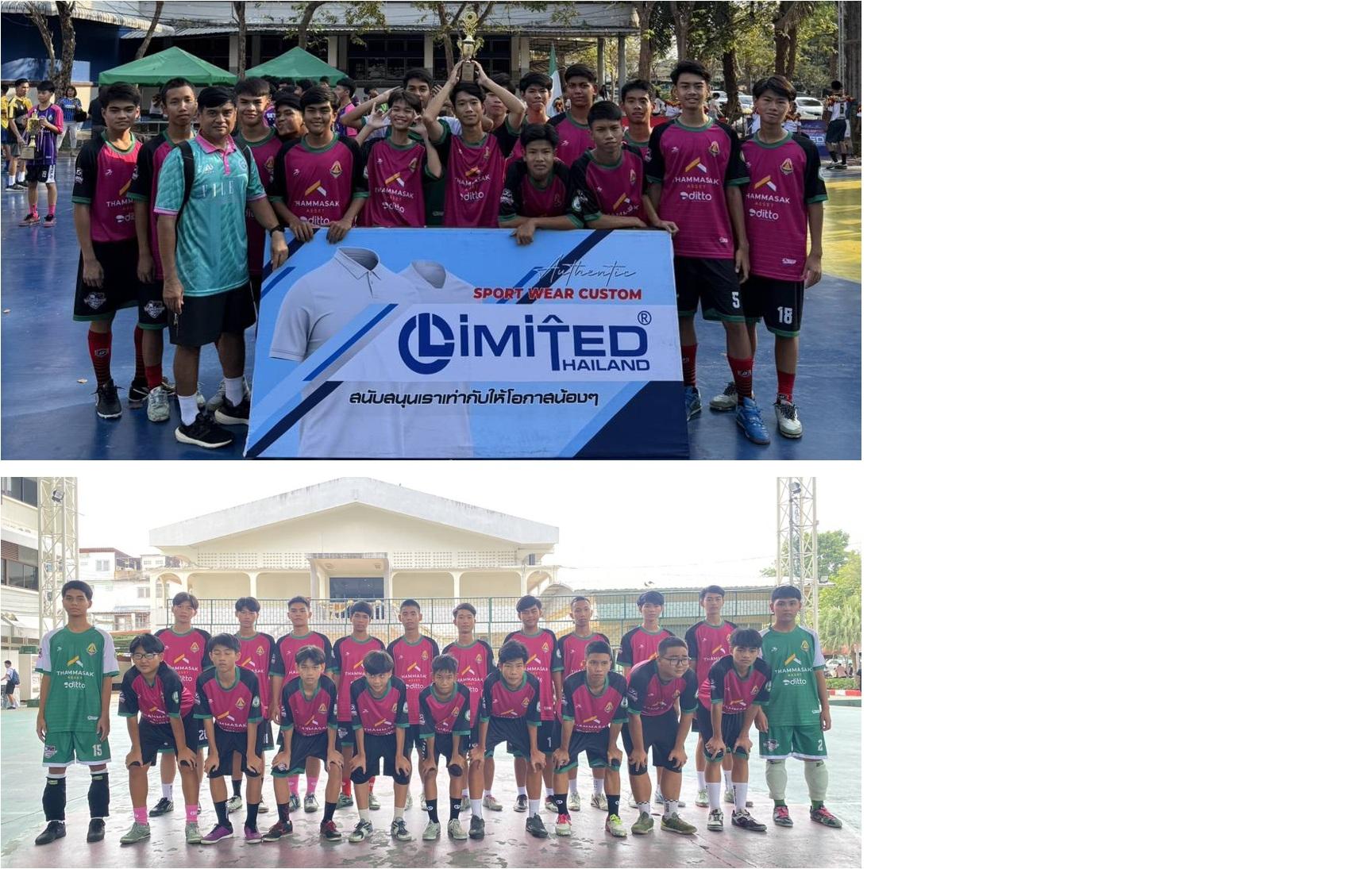
Desk Calendar Donation Initiative
The Company collected 2025 desk calendars from all branches and donated them to the Thailand Association of the Blind under Royal Patronage. The calendars are repurposed into Braille learning materials, supporting equal access to information for the visually impaired—at no additional cost.
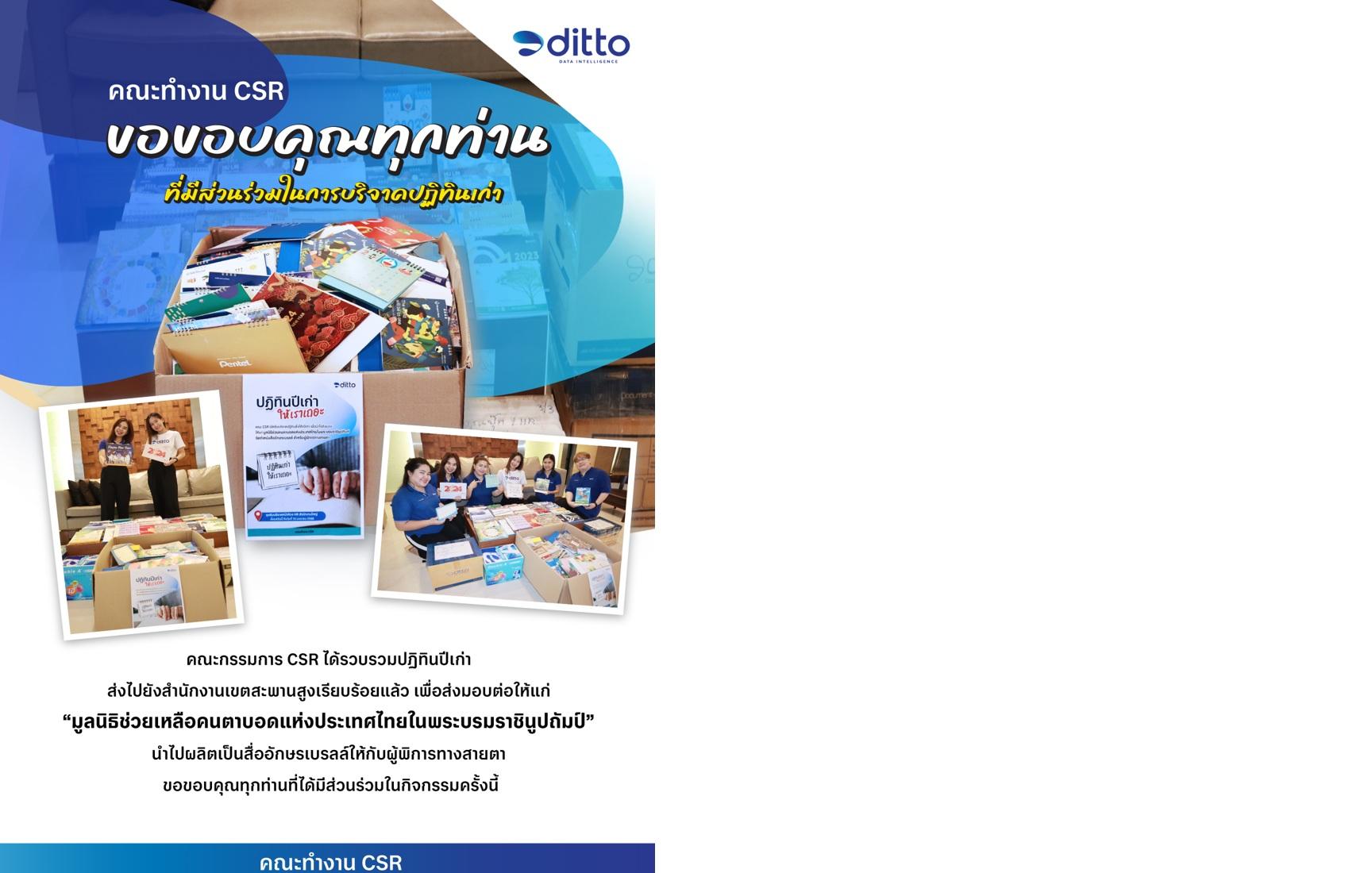
Community Development and Social Support
Blood Donation Campaign (Year-Round Initiative)
The Company continuously encouraged executives and employees to donate blood through CSR initiatives in collaboration with the Thai Red Cross Society, supporting national healthcare reserves and saving lives.
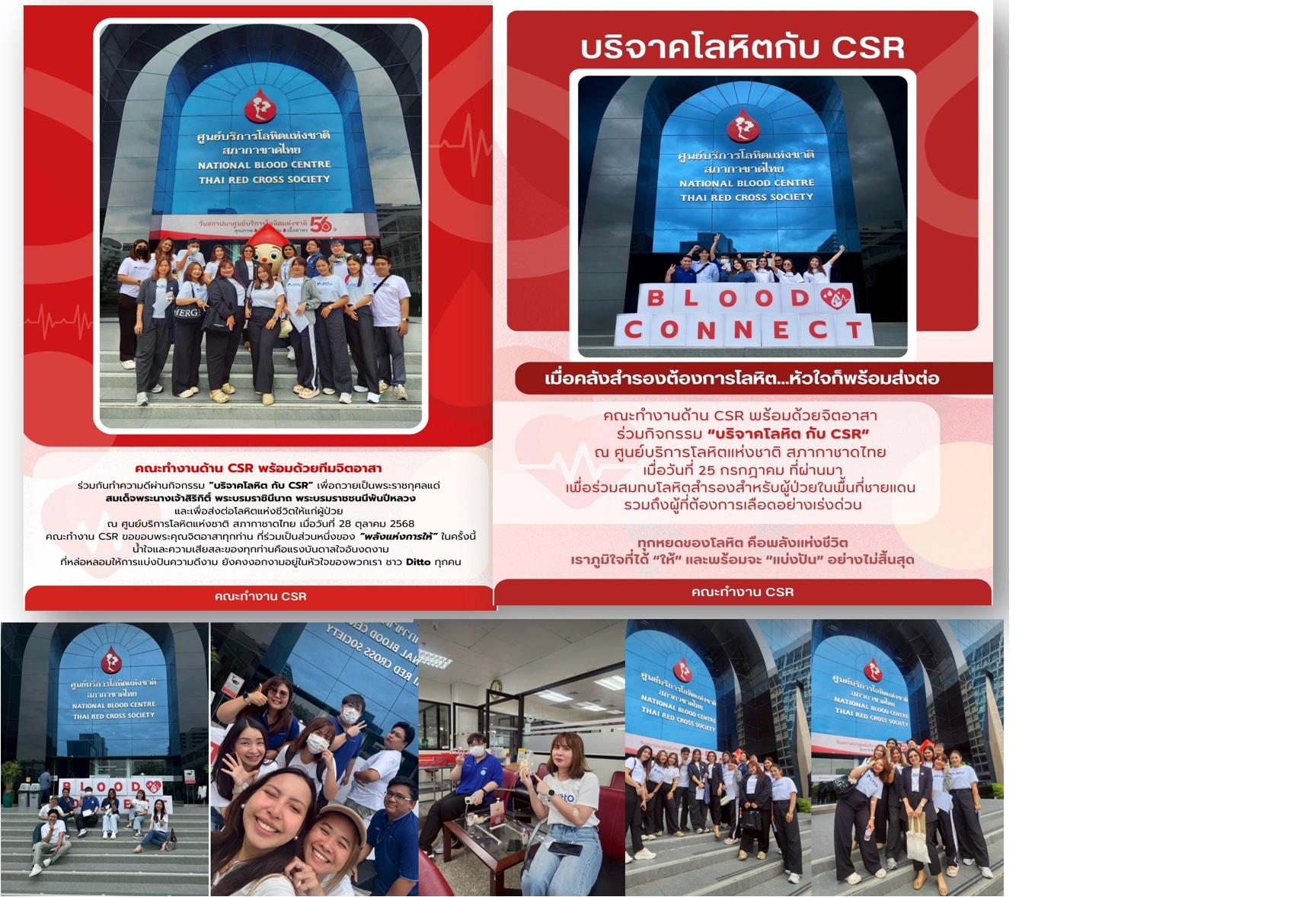
Relief Support in Collaboration with “Doing Good Organization Foundation”
A budget of THB 50,000 was allocated to donate essential goods to soldiers and civilians affected by border conflicts along the Thailand–Cambodia border, demonstrating the Company’s commitment to social responsibility in times of crisis.
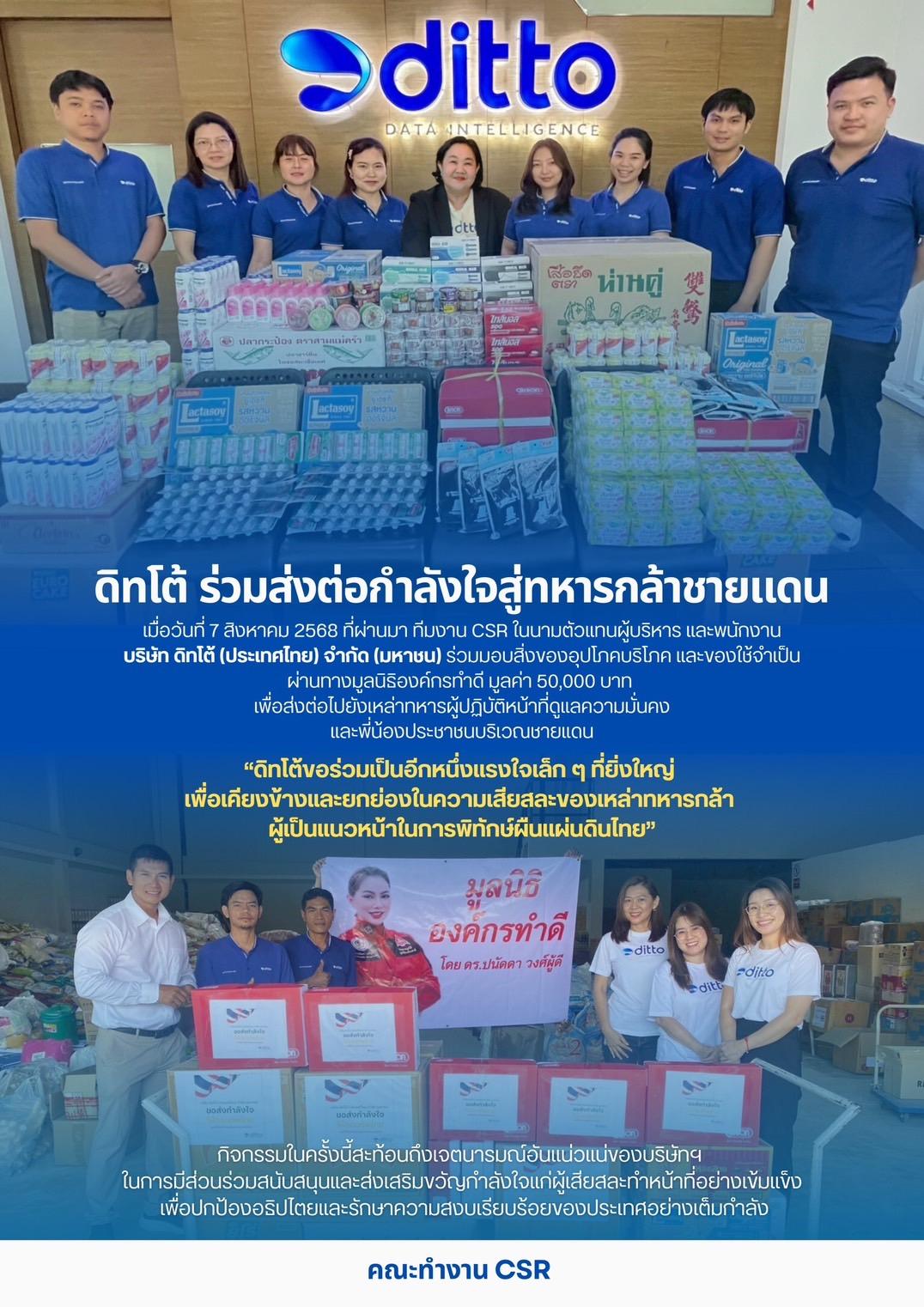
Employee Flood Relief Assistance
Financial aid totaling THB 105,000 was provided to seven employees affected by severe flooding in southern Thailand and other regions. This initiative reflects the Company’s commitment to employee welfare and support during emergencies.
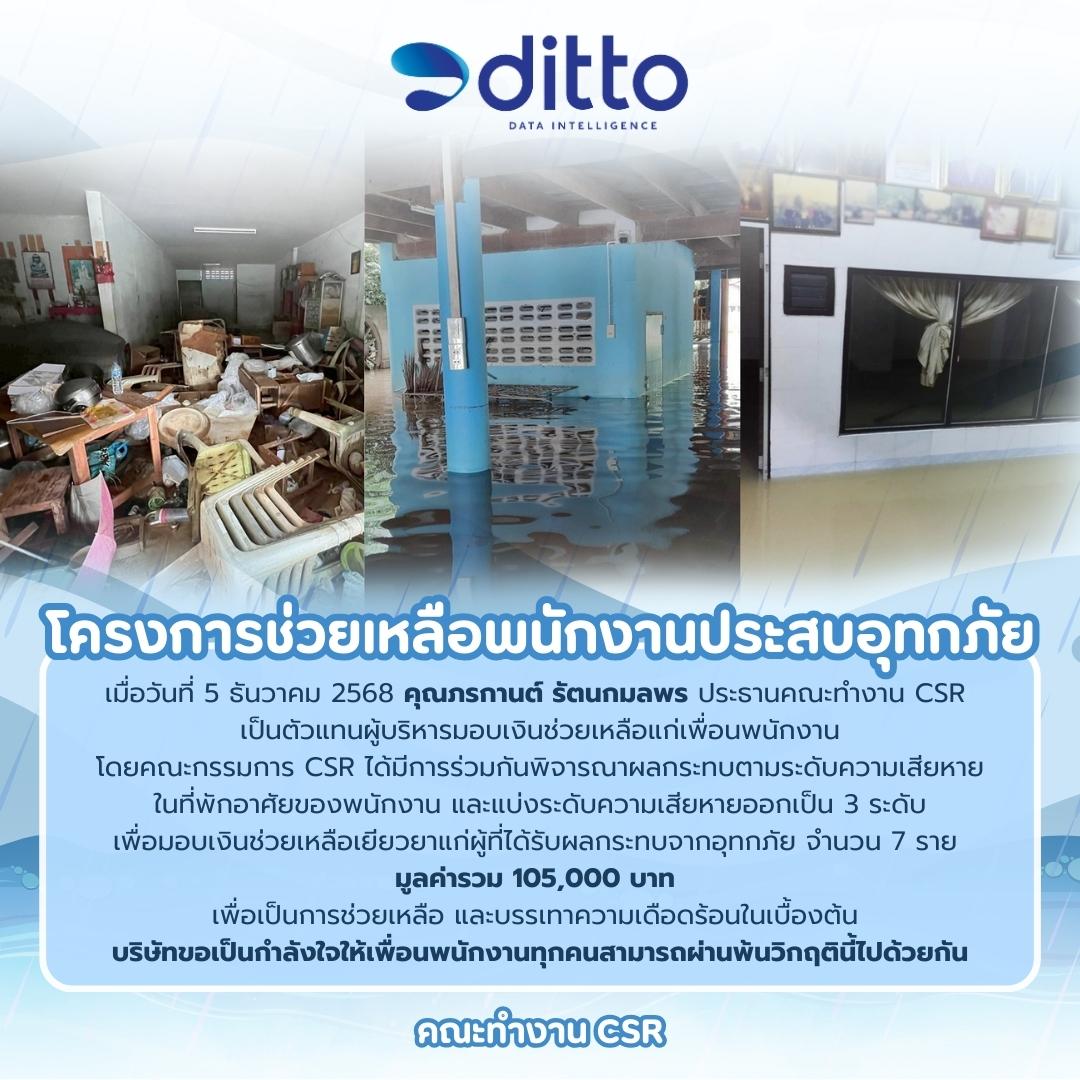
Flood Relief Donation – Thai Red Cross Society
The Company contributed THB 50,000 to support flood victims in southern Thailand through the Thai Red Cross Society, reinforcing community resilience and recovery.
Essential Goods Donation for Flood Relief
An additional THB 50,763 was allocated for essential supplies distributed through the Thai Red Cross Society’s Relief and Community Health Bureau to assist flood-affected communities.
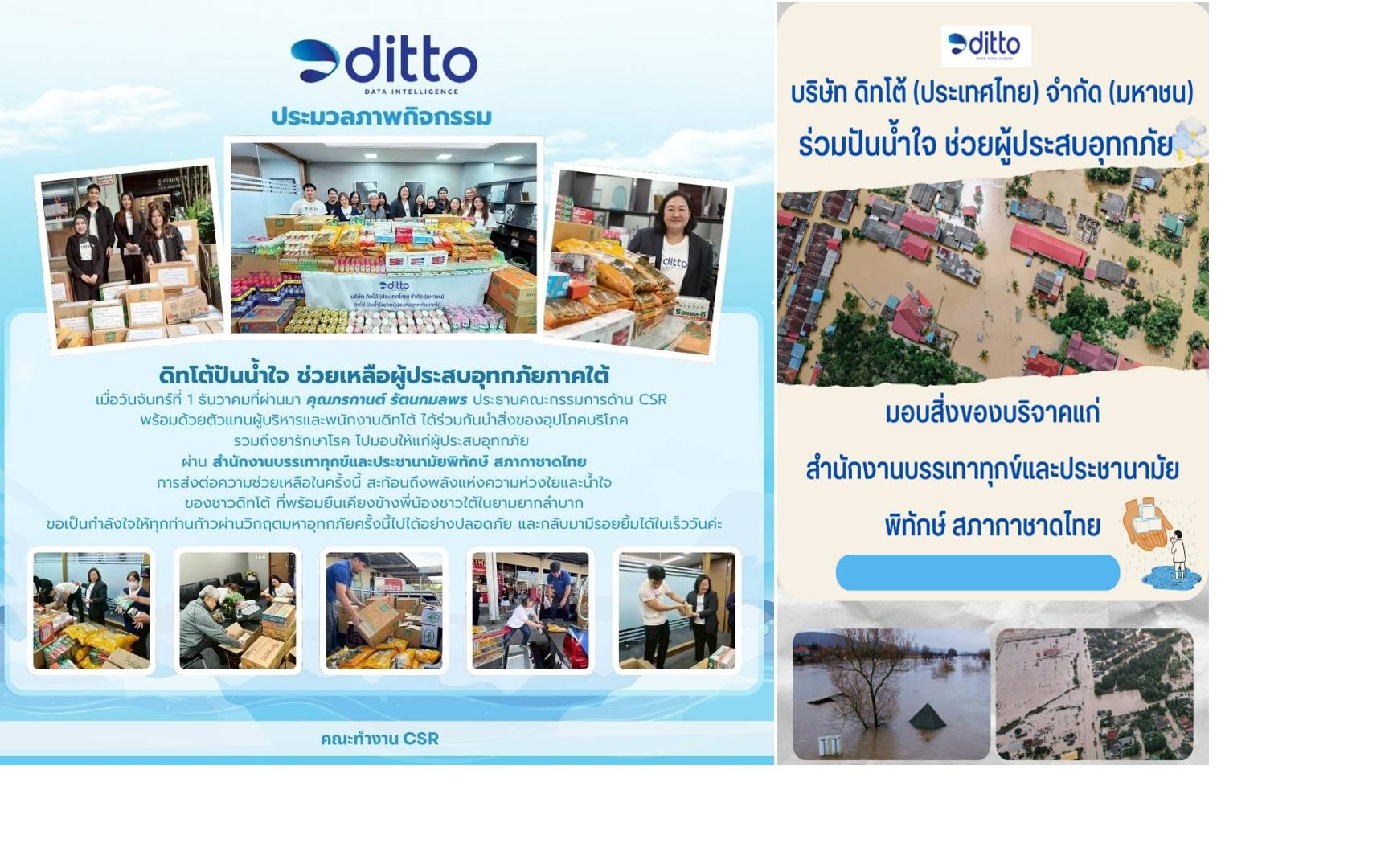
These initiatives collectively reflect the Company’s strong commitment to Corporate Social Responsibility (CSR), focusing on sustainable environmental stewardship, educational development, and community well-being, while creating long-term shared value for society.
Law Violation Incidents
Law Violation Incidents
| Metric | Current Year | Previous Year | Two Years Ago |
|---|---|---|---|
| The total number of cases or incidents of significant violations of laws or regulations regarding social and human rights (Cases) | 0 | 0 | 0 |
| The total number of cases or incidents that cause significant labor disputes (Cases) | 0 | 0 | 0 |
| The total number of cases or complaints related to consumer rights violations (Cases) | |||
| The total number of cases or complaints related to partner rights violations (Cases) | |||
| The total number of cases or incidents that cause disputes with the community/society (Cases) | 0 | ||
| The total number of cases or incidents related to cyber security or customer data breaches (Cases) | |||
| The total number of cases or incidents related to safety and occupational health at work (Cases) |